
How Much Should a Local Business Spend on Google Ads?
The most expensive Google Ads mistake a local service business can make isn't spending too much. It's spending without knowing what a customer is actually worth — which means there's no way to tell whether the campaign is profitable, breaking even, or quietly burning money while generating reports that look fine.
Forget Me Never Media has driven 150,000+ website visitors and generated 15,000+ leads across our client base. The campaigns that produced those results weren't built around what felt like a reasonable monthly budget or what a previous agency recommended. They were built around the economics of each specific business. Here's how to think about Google Ads budget if you want to spend what makes sense rather than what sounds plausible.
Start With What a Customer Is Actually Worth
Before any budget conversation makes sense, you need to know your customer lifetime value — what a new customer is actually worth to your business over time, not just on the first job.
Take your average job value. Multiply it by how many times the average customer returns in a year. That's your annual customer value. For a contractor averaging $3,500 per project with customers who typically return once every two years, the lifetime value of a new customer over a two-year window is around $3,500. For a detailer with an average ticket of $400 whose customers come back three times a year, annual customer value is $1,200 — and a customer retained for three years is worth $3,600.
These numbers set the ceiling for what you can rationally spend to acquire a new customer. A business spending more to acquire a customer than that customer is worth will lose money regardless of how well the campaign performs by any other metric. A business with a clear ceiling can make budget decisions with confidence rather than guessing.
Work backwards from there. If your customer lifetime value is $3,000 and your close rate on qualified leads is 40%, each qualified lead is worth $1,200 in expected revenue. The maximum you can spend per lead while remaining profitable depends on your margins — but the math is knowable and specific to your business rather than borrowed from an industry average that may not apply.
Your Market Sets the Floor, Not a Preference
Customer lifetime value sets the ceiling for what you can spend per acquisition. Your local market sets the floor for what you need to spend to be competitive at all.
In dense urban markets with many competitors bidding on the same service keywords, cost per click is higher because more businesses are competing for the same searches. In less competitive markets, the same budget buys more visibility. Neither is better or worse — they're different realities that require different budget levels to achieve the same outcome.
The practical test for whether a campaign is adequately funded is impression share — the percentage of available searches your ads actually appear for. If your ads are consistently losing impressions because your daily budget runs out before the day ends, you're underfunded for your market. The searches you're missing are being captured by competitors who aren't leaving budget on the table.
Josh has managed Google Ads accounts across urban markets and rural markets, high-competition industries and lower-competition niches, for 12 years. The pattern is consistent: a campaign funded below the competitive threshold for its market produces discouraging results that get blamed on Google Ads generally rather than on the budget gap specifically. Businesses conclude paid search doesn't work for their industry when the real problem is spending at a level that can't compete.
Conversion Tracking Determines Whether Budget Is Efficient or Wasted
A Google Ads budget without accurate conversion tracking isn't a marketing investment — it's a guess with a monthly price tag. Without knowing which keywords produce actual customers, which ad groups generate qualified calls versus curiosity clicks, and what it costs to acquire a customer through paid search specifically, there's no basis for making budget decisions that improve over time.
The most common tracking mistake is treating all conversions as equal. A luxury transportation company that receives quote requests from both wedding clients and corporate accounts is getting two very different types of leads — with very different average job values, close rates, and customer lifetime values. Optimizing a campaign for total lead volume without distinguishing between lead types will shift budget toward the lead type that's easiest to generate, which is rarely the most profitable one.
Proper conversion tracking for a local service business connects ad clicks to phone calls, form submissions, and ultimately booked jobs. When that connection is in place, budget decisions stop being guesses. You can see that one campaign is generating customers at a profitable cost per acquisition and another is generating leads that don't close. You can shift budget accordingly. Without it, you're flying blind regardless of how much you're spending.
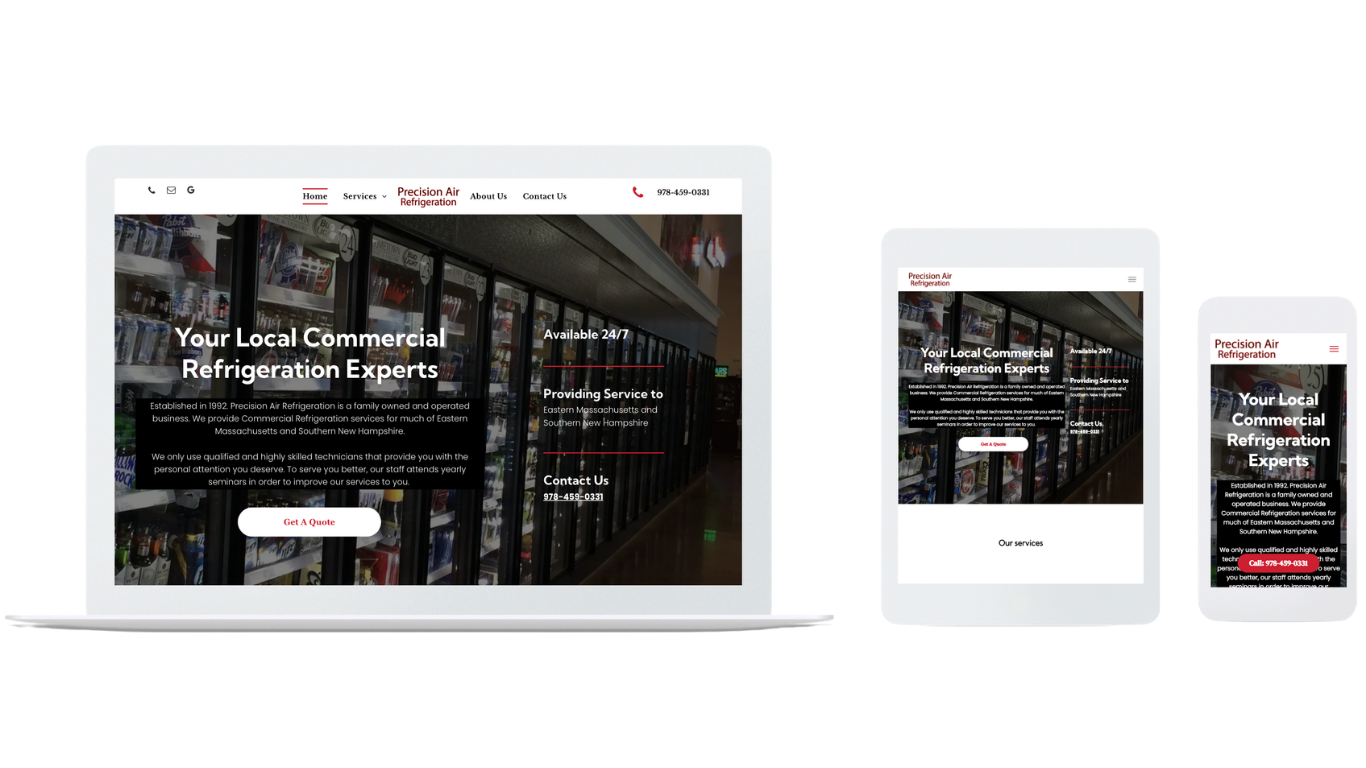
Forget Me Never Media implements conversion tracking as a prerequisite before any campaign optimization. Precision Air Refrigeration's transformation — from a 3.5% to a 13.85% conversion rate and 317 qualified commercial leads in 12 months — happened because the tracking was in place to identify which searches were generating commercial clients versus residential inquiries, and to shift budget aggressively toward the former.
Scale Budget Based on What the Data Shows, Not the Calendar
The right time to increase a Google Ads budget is when current performance demonstrates that more budget would produce more profitable customers at the same acquisition cost. The wrong time is on a quarterly schedule because it seems like the logical next step.
If a campaign is consistently generating customers at a cost per acquisition below your target, and impression share data shows budget is limiting how many of those searches you're capturing, increasing budget is a rational decision with a predictable outcome. If a campaign is generating leads at a cost per acquisition above your target, increasing budget accelerates the problem rather than solving it.
The opposite error — cutting budget during slow seasons or when cash flow tightens — destroys campaign momentum that takes months to rebuild. Google's algorithm rewards consistent spend history. Accounts that go dark for weeks or months and then restart perform worse than accounts that maintained consistent presence, even at reduced levels.
Corsair Detail's paid advertising dependency was expensive precisely because their campaigns weren't structured around the economics of their specific business. After rebuilding the campaign structure and tracking to reflect their actual customer economics, they reduced cost per lead significantly while growing total lead volume — 805 total leads generated in the following period with a 47% increase in lead generation year over year.
The Budget Question Has a Specific Answer for Your Business
There's no universal right budget for Google Ads. There's a right budget for your business — calculated from your customer lifetime value, tested against your market's competitive reality, validated by conversion tracking that connects spend to revenue, and adjusted based on what the data actually shows.
The agencies that give you a number without asking about your customer economics first are giving you a guess dressed up as expertise. The right number comes from understanding your business specifically — which is why Josh manages every Forget Me Never Media client account personally rather than handing them to staff who don't know the difference between a $200 job and a $2,000 one.
No long-term contracts. No budget recommendations disconnected from your actual business economics. Just campaigns built around what your customers are worth and what your market requires to compete.
Table of Contents
IS YOUR BUSINESS READY FOR 2026?
Get a free digital marketing audit and see exactly where your biggest opportunities are hiding.