
How to Stop Losing Leads While You're on the Job Site
Forget Me Never Media's clients see an average of 185% revenue growth after we rebuild their complete marketing system. One of the most consistent contributors to that growth isn't a new website or a Google Ads campaign — it's fixing the gap between when a lead comes in and when someone actually responds to it.
Research consistently shows that 78% of customers buy from the first company that responds to their inquiry. For a local service business where the owner and crew are on job sites during the day, that statistic has a direct revenue implication: if your competitor has an automated response system and you're responding manually when you get back to the office, they are winning customers that your marketing already earned.
Workflow automation is the system that closes that gap. Here's what it actually involves for a local service business and why it matters more than most business owners realize until they see the data.
The Lead Response Problem Every Service Business Has
A potential customer searches for your service. They find your website, your Google Business Profile, or your Google Ad. They fill out a contact form or send a message — probably from their phone, probably during the day, possibly outside business hours. Then they do what every customer comparing options does: they contact two or three other businesses at the same time.
If you respond within minutes, you're in the conversation. If you respond hours later, there's a reasonable chance the customer has already committed to whoever got back to them first. Your marketing generated the lead. Your response time lost it.
This isn't a hypothetical. It's a pattern Josh has seen across every service industry — contractors, detailers, transportation companies, exterior cleaners. The businesses that convert leads at the highest rates aren't always the ones with the best service or the best prices. They're the ones with the fastest, most consistent response systems. And the most consistent response systems aren't run by humans checking their phones between jobs — they're automated.
What Workflow Automation Actually Does
Workflow automation for a local service business is a set of systems that trigger responses and actions automatically based on what a customer does — without requiring anyone to remember to send a message, follow up on a quote, or check a contact form.
When someone submits a form on your website at 9 PM, an automated response goes out within minutes — confirming receipt, setting expectations about next steps, and keeping the conversation warm until a human can follow up in the morning. When someone calls and reaches voicemail, an automated text message goes out immediately acknowledging the missed call and providing an easy way to get back in touch. When you send a quote and the customer hasn't responded in two days, an automated follow-up message checks in without requiring you to remember to do it.
These aren't one-size-fits-all messages. Well-built automation uses the customer's name, the specific service they inquired about, and language that sounds like the business rather than a generic autoresponder. The goal is to make the automated response feel like attentive service rather than a robot acknowledgment.
The Panoptix CRM platform Forget Me Never Media offers clients is built on GoHighLevel's infrastructure specifically because it handles these workflows cleanly — connecting lead capture from the website, Google Business Profile, and paid advertising into a single system that triggers the right response automatically based on where the lead came from and what they asked about.
The Revenue Impact of Getting This Right
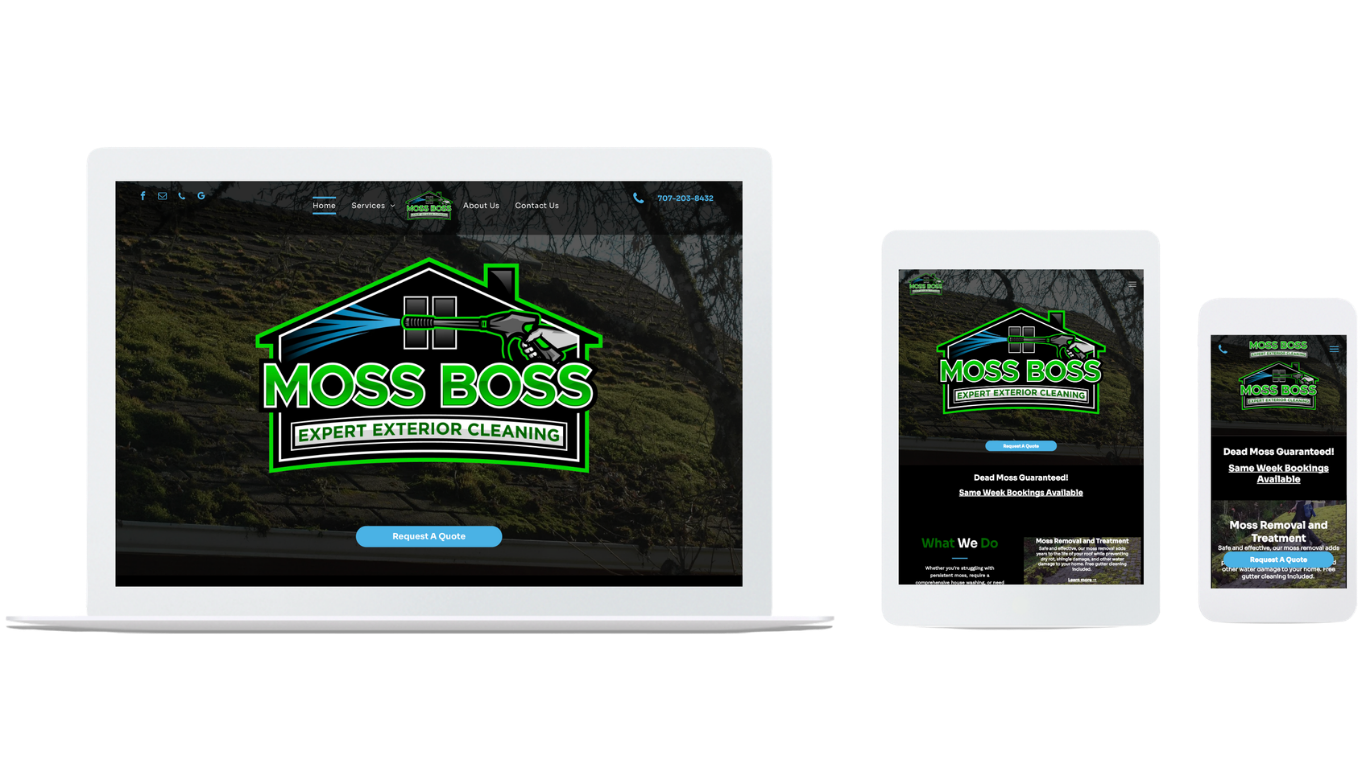
Moss Boss of Humboldt went from inconsistent word-of-mouth leads to a consistent pipeline of 60+ qualified leads per month. The volume increase came from SEO and website work — but converting that volume required a follow-up system that ensured every inquiry got a response quickly enough to remain competitive. A business generating 60 leads per month loses significant revenue at the margins if slow response is allowing competitors to close inquiries that the marketing already won.
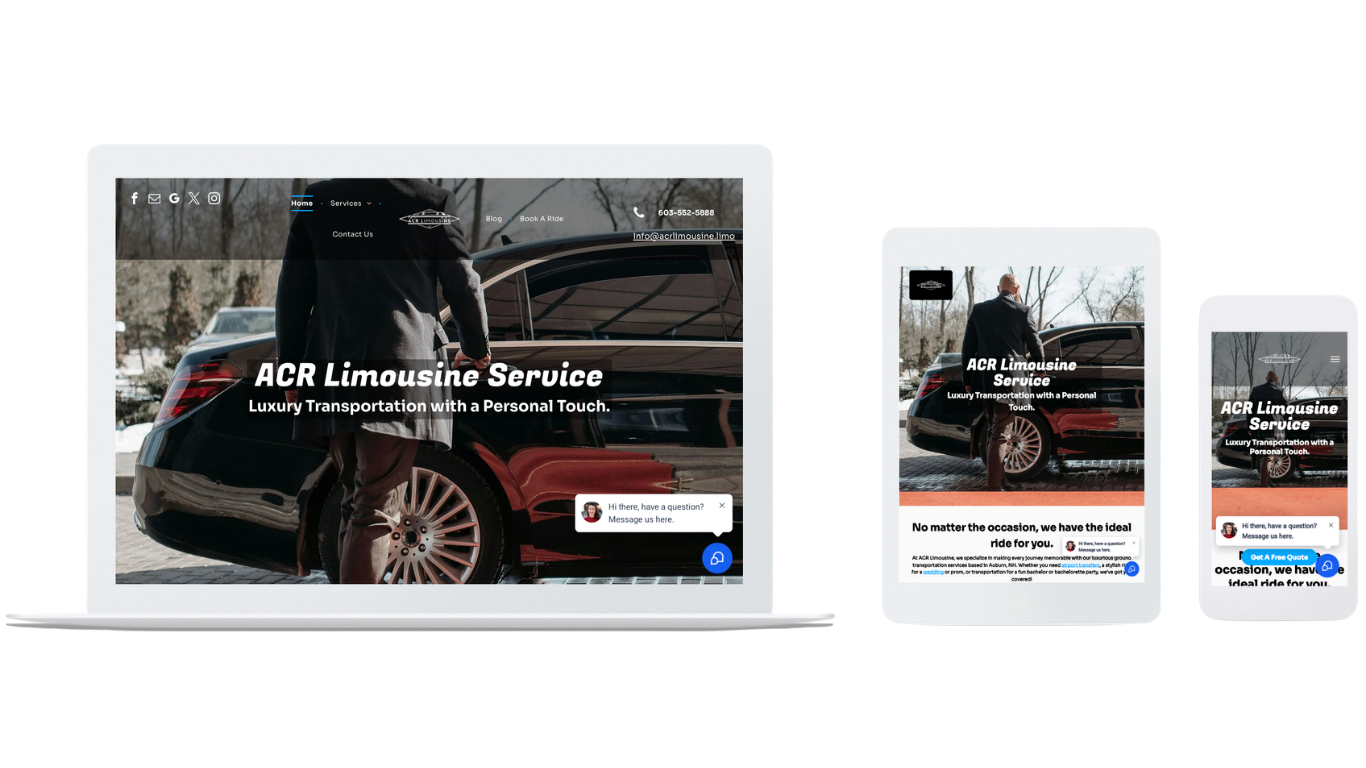
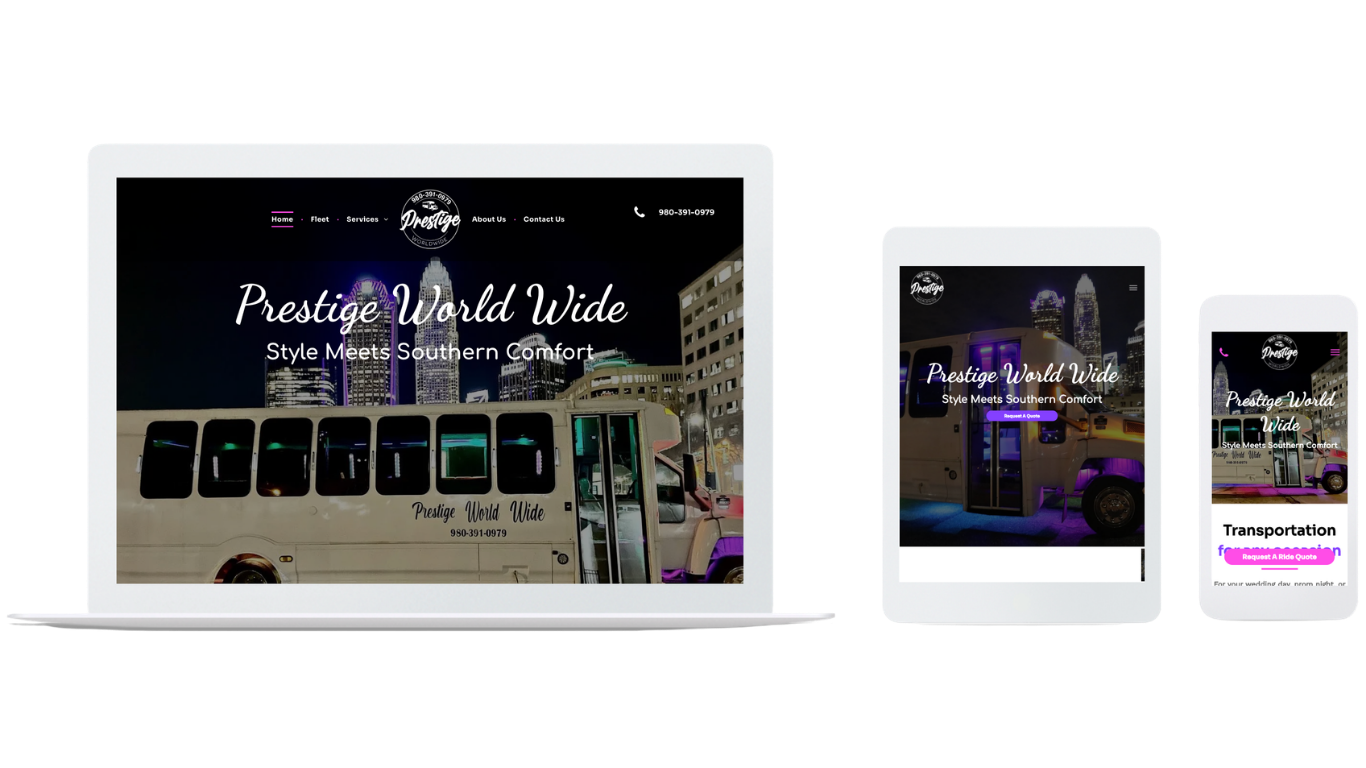
Prestige Worldwide Limos improved their conversion rate from 5% to 13% after a complete rebuild. That conversion improvement came from multiple factors — website architecture, mobile optimization, lead capture design — but the follow-up automation ensured that leads who submitted quote requests at odd hours received acknowledgment immediately rather than waiting until the next business day to hear anything.
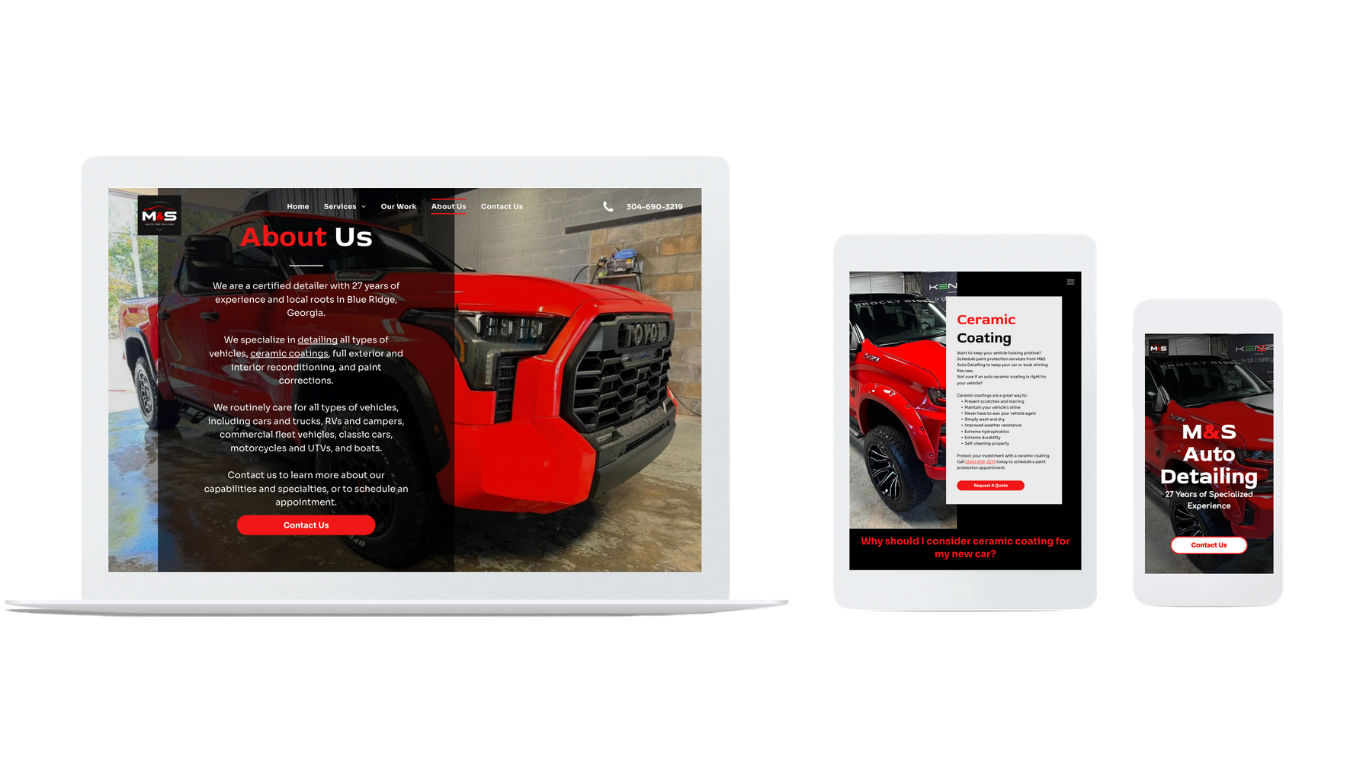
The math works across every service type. A detailer getting ten inquiries per week who converts at 40% closes four jobs. The same detailer with automated follow-up that keeps every lead warm and responds immediately closes five or six — not because the service got better or the prices changed, but because the conversion system stopped losing leads that were already interested.
What Gets Automated and What Doesn't
The distinction that matters in workflow automation is knowing which parts of the customer journey benefit from automation and which require a human touch.
Automation handles speed and consistency — the immediate acknowledgment of every inquiry, the systematic follow-up on unanswered quotes, the review request after a completed job, the reactivation message to a customer who hasn't booked in six months. These are all tasks that benefit from being done every time, on schedule, without relying on someone remembering.
Human judgment handles complexity — answering specific questions about scope or pricing, managing a difficult customer situation, deciding whether to negotiate on a job, closing a sale on a high-value commercial contract. Automation gets the lead to the point where a human conversation can close it. It doesn't replace that conversation.
The businesses that implement automation incorrectly try to automate too much — using chatbots and automated sequences to handle conversations that require real responses, and frustrating customers who came looking for a human. The businesses that implement it correctly use automation for exactly what it's good at: making sure every lead gets an immediate, personalized acknowledgment and a consistent follow-up cadence, then stepping aside when a real conversation needs to happen.
Building the System
A complete workflow automation system for a local service business typically covers four areas: lead capture and immediate response, quote follow-up sequences, review generation after completed jobs, and re-engagement of past customers.
Lead capture and response is the highest priority because it addresses the 78% first-responder problem directly. Every inquiry channel — website form, Google Business Profile message, missed call, paid ad landing page — needs an automated response that goes out within minutes and keeps the conversation open until a human can follow up.
Quote follow-up sequences address the money left on the table when quotes go unanswered. Most service businesses send a quote and wait — sometimes following up manually, sometimes forgetting entirely. An automated sequence that checks in at one day, three days, and one week after a quote is sent converts a meaningful percentage of leads that would otherwise have gone cold.
Review generation after completed jobs builds the reputation signals that feed local SEO and GBP rankings. A simple automated message two days after a job asking for feedback — with a direct link to the Google review page — generates more reviews more consistently than any manual process because it happens every time without anyone needing to remember.
Re-engagement of past customers produces some of the highest-ROI outreach in any service business because the relationship is already established. A seasonal check-in to customers who booked the previous year, or a message to customers who haven't returned in a defined period, generates bookings from people who already know and trust the business.
No long-term contracts. No systems built by someone who will disappear after onboarding. Just workflow automation that closes the gap between leads earned and leads converted — so the marketing that generates inquiries actually produces the customers it should.
Table of Contents
IS YOUR BUSINESS READY FOR 2026?
Get a free digital marketing audit and see exactly where your biggest opportunities are hiding.