
How to Brief a Web Designer So You Don't Hate the Result
Forget Me Never Media's clients see an average of 185% revenue growth after we rebuild their complete marketing system — and the rebuild almost always starts with a conversation that most business owners have never had with a designer before. Not about colors or fonts or whether the logo should be bigger. About customers, conversions, and what the website actually needs to do for the business.
Most business owners hate their first website because the brief they gave their designer was about how the site should look rather than what it should accomplish. You hand over a deposit, spend two meetings explaining your vision, and six weeks later you're staring at something that cost thousands of dollars and doesn't reflect your business, your customers, or the problem the site was supposed to solve.
The problem usually isn't the designer's skills. It's the brief. Here's how to write one that actually works.
Start With Your Customer, Not Your Logo
The most common briefing mistake is starting with visual preferences — colors, fonts, inspiration sites, examples from competitors — before establishing who the website is for and what those people need when they arrive.
Your designer needs to understand your customer before they can design for them. Not in demographic terms — not "homeowners aged 35-54 in suburban markets" — but in situational terms. What is happening in a customer's life when they search for your services? What do they need to know immediately to trust that they've found the right business? What concern, if left unaddressed, makes them leave and call someone else?
A contractor's emergency customer searching at 10 PM after a pipe burst isn't browsing. They need a phone number, confirmation you serve their area, and evidence you'll actually show up. A customer planning a kitchen renovation is in a completely different mental state — they're comparing options, evaluating quality, and looking for reasons to feel confident before committing to a conversation.
Give your designer three or four specific customer scenarios instead of a Pinterest board. Describe the situation, the urgency level, what the customer is hoping to find, and what would make them leave. When a designer understands these scenarios, they build pages that speak to real people with real problems instead of a generic visitor they've invented.
Define Exactly What You Want Visitors to Do
Most business owners brief their designer with "make it easy to contact us" and are surprised when the resulting website has a contact form nobody fills out and a phone number buried in the footer. Easy contact isn't a conversion strategy — it's a baseline. You need to define specifically what action you want each type of visitor to take and where on the page you want that action to happen.
Emergency customers should see a prominent, clickable phone number and a response time promise before they scroll. Research-phase customers comparing multiple businesses should see case studies, real project photos, and a way to request pricing information without committing to a phone call. Customers searching from a specific city or neighborhood should land on a page that confirms immediately you serve their location.
Don't tell your designer to "make it conversion-focused." Tell them exactly which conversions you want — calls, form submissions, estimate requests — and where each one should appear for each type of visitor. The difference between a website that generates consistent leads and one that doesn't is usually conversion placement and clarity, not visual design quality.
Provide Real Content Before the First Meeting
Most website projects take twice as long as they should because business owners don't provide real content until the design is nearly finished. They approve layouts built around placeholder text, then spend weeks writing service descriptions after launch while the site sits live with dummy copy.
Your designer cannot build effective pages around placeholder text. They need your actual service descriptions, your real customer testimonials, and your genuine approach to the work before they start making layout decisions. Page structure, navigation flow, and conversion placement all depend on what the content actually says.
Collect this before your first designer meeting. Write out what each of your services actually involves and what the outcome looks like for the customer. Pull your five strongest customer reviews — ones that mention specific services, specific situations, and specific results. Gather photos of real work, real projects, and real results rather than stock images of generic finished products. List the questions customers ask most often before they hire you.
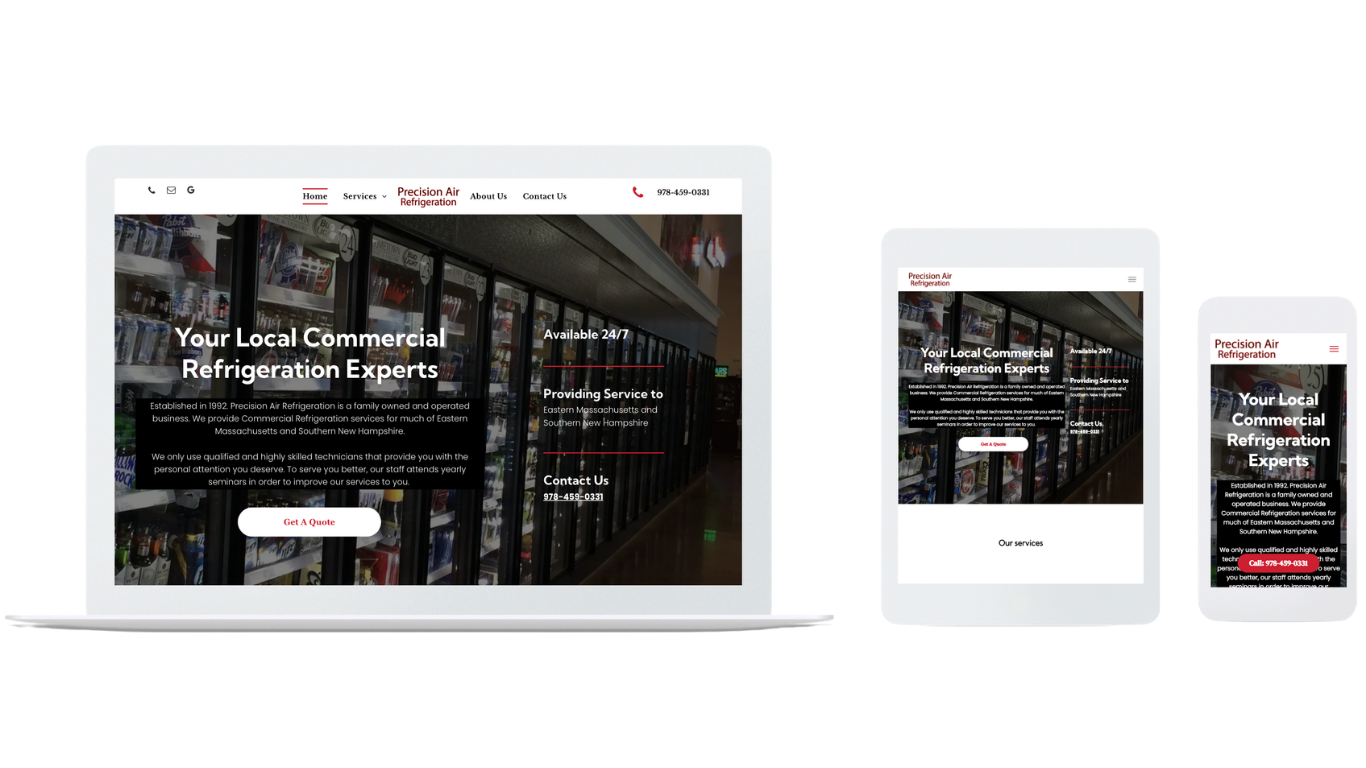
This content shapes every layout decision. A designer working with real content about a 32-year-old commercial refrigeration company serving restaurant managers builds a completely different page than one working with placeholder text about a generic service provider. Real content also reveals gaps early — when you try to write your about page, you discover quickly whether you have a compelling story or just a timeline.
Specify Performance Requirements Explicitly
Most business owners never mention technical requirements in their brief because they assume designers handle them automatically. Many don't — particularly designers who prioritize visual quality over technical performance.
Your brief should specify load speed, mobile performance, and local SEO requirements as delivery milestones rather than afterthoughts. A site that looks beautiful but loads slowly on mobile loses more than half its visitors before they see a single word of content — Google's own data shows that 53% of mobile visits are abandoned after 3 seconds. A site that doesn't include local business schema markup is leaving local search visibility on the table that competitors with properly structured sites will capture.
Specify that you want the site to load in under 2 seconds on mobile. Specify that every service page needs location-specific content and proper schema markup. Specify that contact forms need to connect to your follow-up system and send immediate notifications. Specify that conversion tracking needs to be in place before launch so you can measure what's working from day one.
These aren't developer details to sort out later — they're the requirements that determine whether the finished site actually generates leads.
Set Revision Boundaries Upfront
Most web design projects become expensive because nobody defined revision limits before work started. A designer quotes for two rounds of feedback and bills extra when the project runs through six rounds of changes because the client kept introducing new ideas after each delivery.
Prevent this by defining revision parameters in your brief. Specify that you'll provide consolidated feedback within a set number of days at each milestone — commit to a timeframe that's realistic for your schedule. Agree that major structural changes after a milestone has been approved require a separate conversation about scope and cost. Establish that content changes are separate from design revisions so that updating copy doesn't restart the design process.
More importantly, get all decision-makers aligned before the project starts rather than during it. If your business partner, your spouse, or another stakeholder will have input on the final site, involve them in reviewing the brief before the designer starts work. The most expensive source of revision rounds is a new opinion arriving late in the process from someone who wasn't part of the initial direction.
What Experience Changes About the Brief
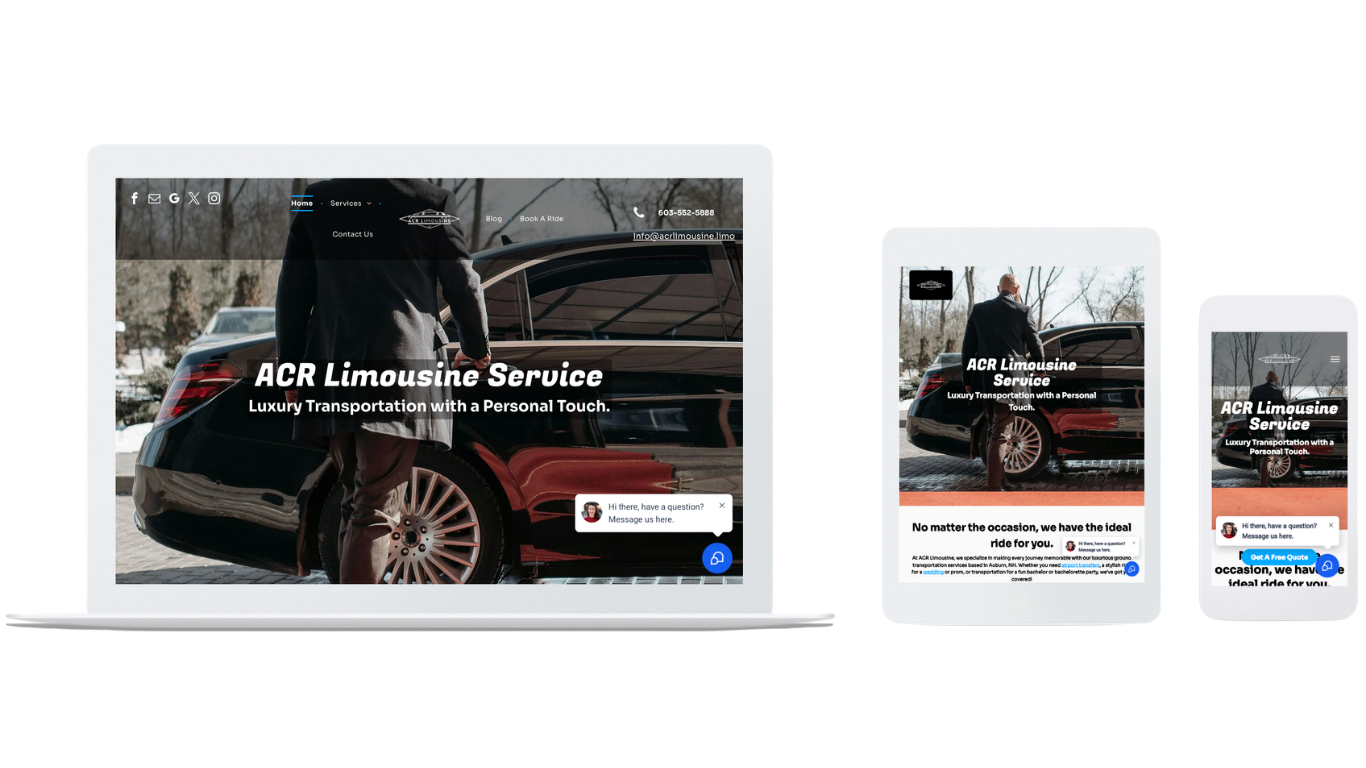
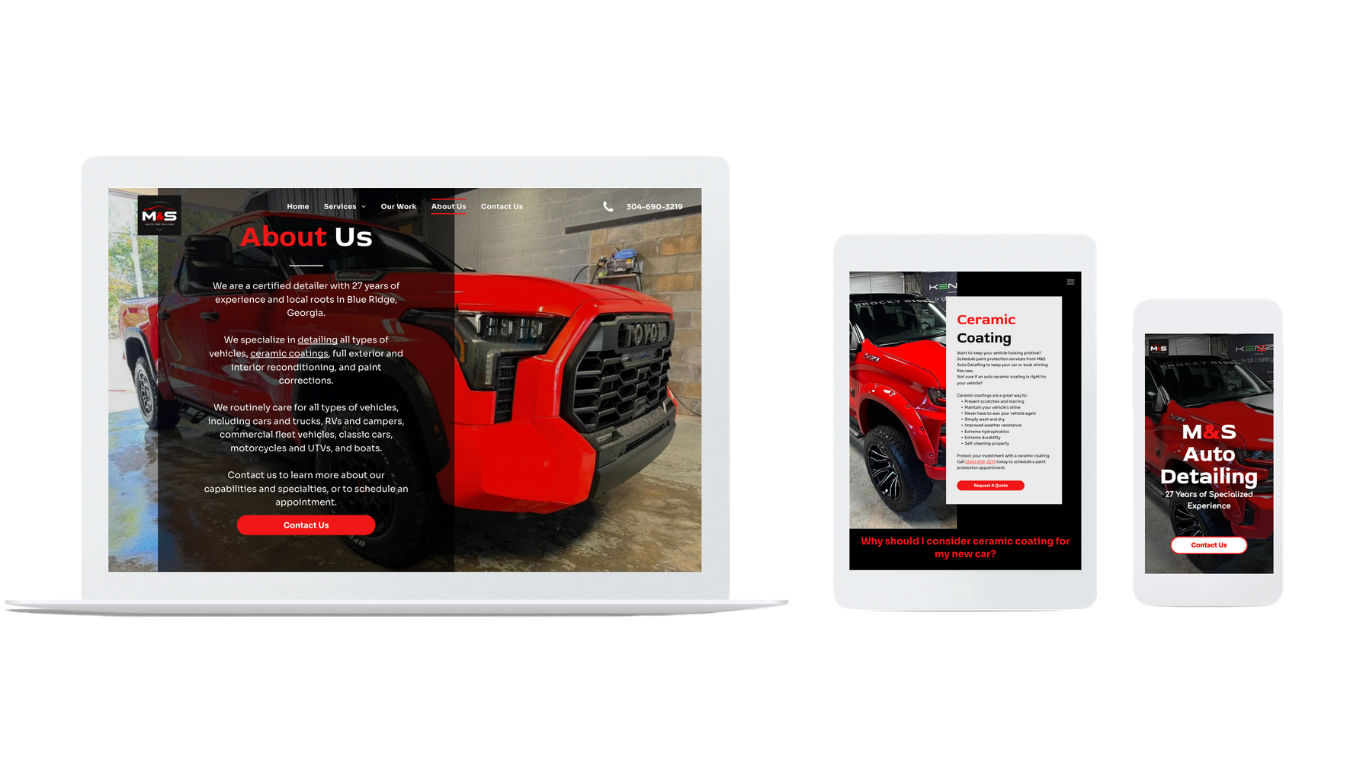
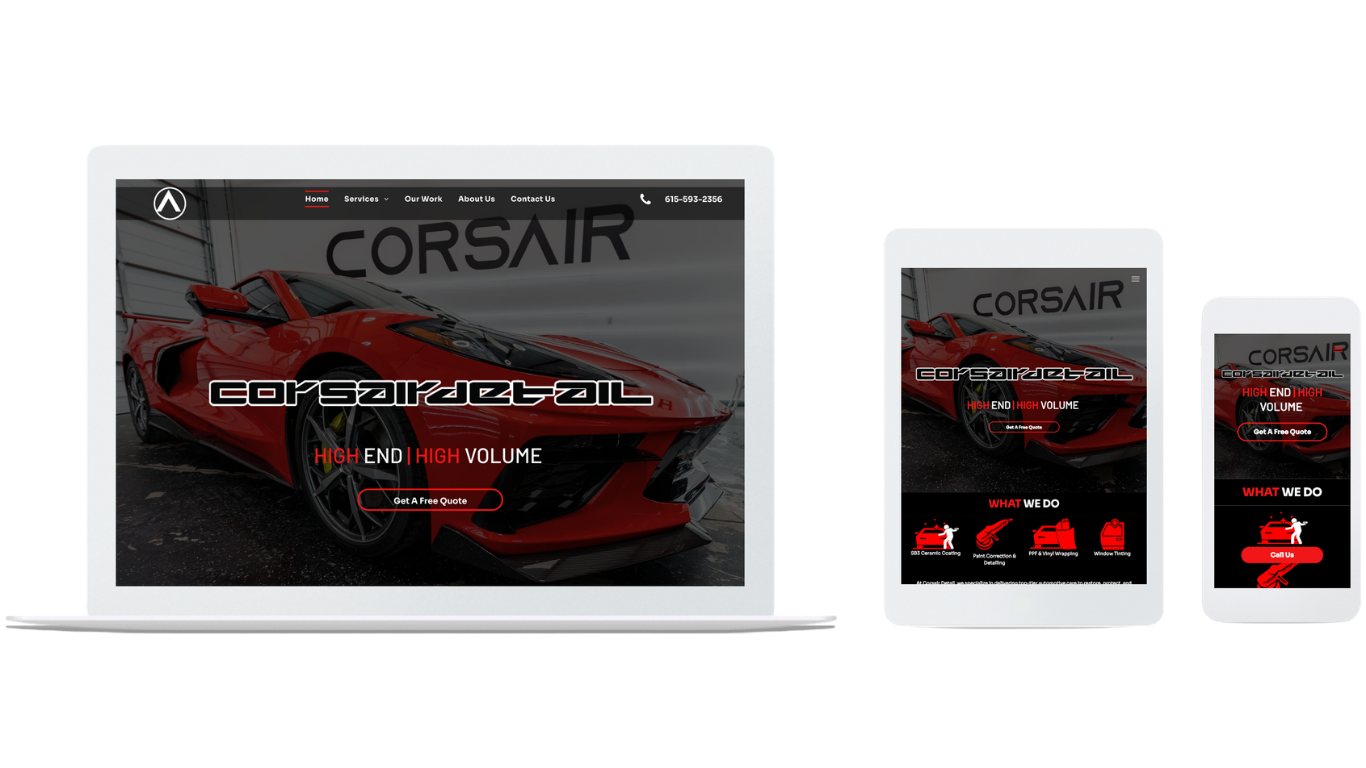
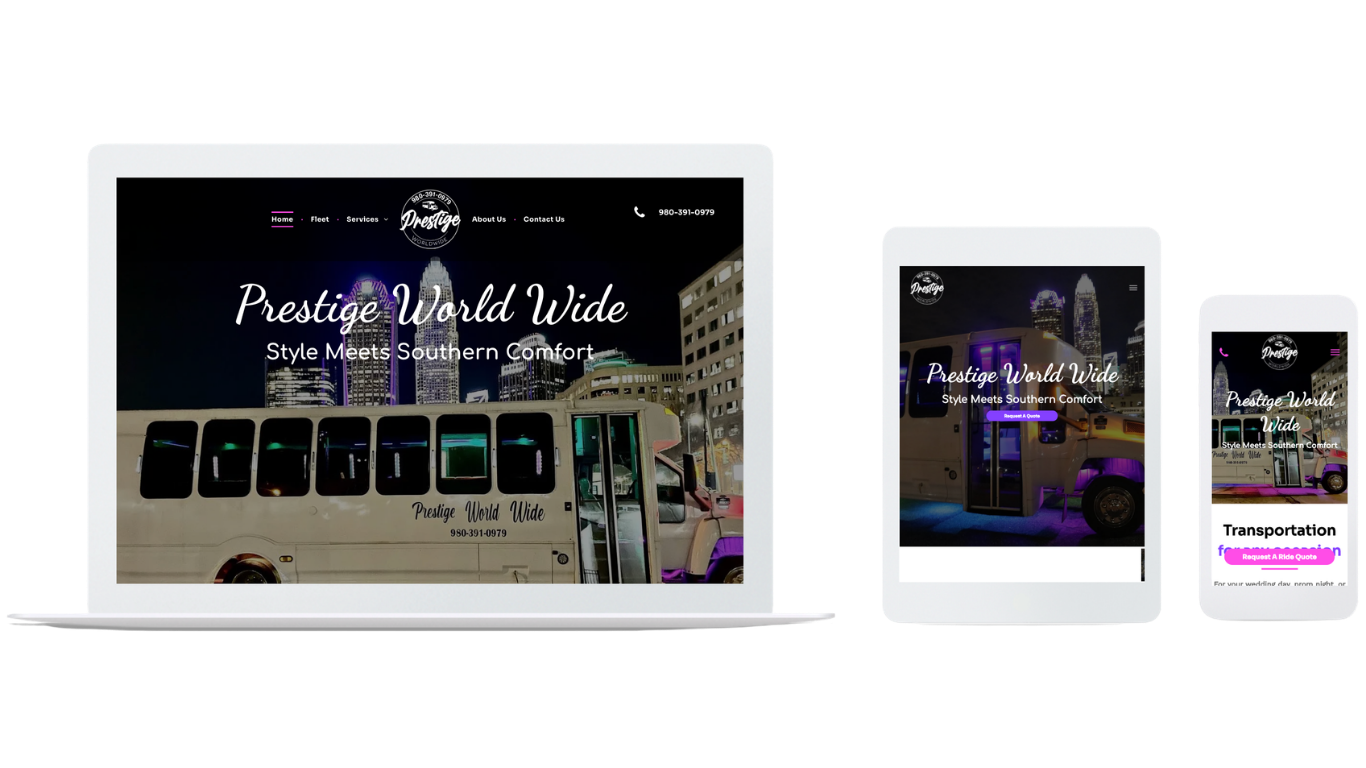
Josh has 15 years of digital marketing experience and has built websites for contractors, auto detailers, transportation companies, exterior cleaners, and commercial service businesses across the country. That experience changes what a brief conversation surfaces — not because the questions are different, but because the follow-up questions are better.
A designer who has built one service business website takes the brief at face value and builds what was described. A designer with deep experience in a specific category knows which briefing gaps will cause problems at launch, which conversion elements get overlooked by business owners focused on aesthetics, and which technical requirements most clients forget to ask for until after they're already missing leads.
The brief matters because it's the foundation. But the foundation only becomes a great website when the person building on it has built enough of them to know what a great one looks like from the customer's side.
No long-term contracts. No cookie-cutter templates. Just websites built from briefs that actually capture what the business needs — and designers experienced enough to ask the questions that get there.
Table of Contents
IS YOUR BUSINESS READY FOR 2026?
Get a free digital marketing audit and see exactly where your biggest opportunities are hiding.