
Why Cheap Website Templates Cost You More Than You Save
Forget Me Never Media's clients see an average of 185% revenue growth after replacing template websites with sites built to convert. The reason isn't aesthetic — it's functional. A template website and a conversion-focused website can look similar in a screenshot. They perform completely differently when a real customer lands on them with a real problem and a real phone in their hand.
The actual cost of a template isn't the $200 you saved upfront. It's the leads that never call, the rankings you never achieve, and the customers who clicked away to a competitor whose site made it easier to take the next step. Most business owners don't see this cost because it shows up as absence — leads that didn't come in, revenue that didn't materialize — rather than a line item on an invoice.
Templates Make Your Business Look Like Every Other Business
Template marketplaces sell the same designs to thousands of businesses. The "modern contractor" theme used by a plumber in Seattle gets used by an electrician in Miami and an HVAC company in Denver. Your potential customers have seen these layouts before — often on your competitors' websites. That recognition doesn't build confidence. It signals interchangeability.
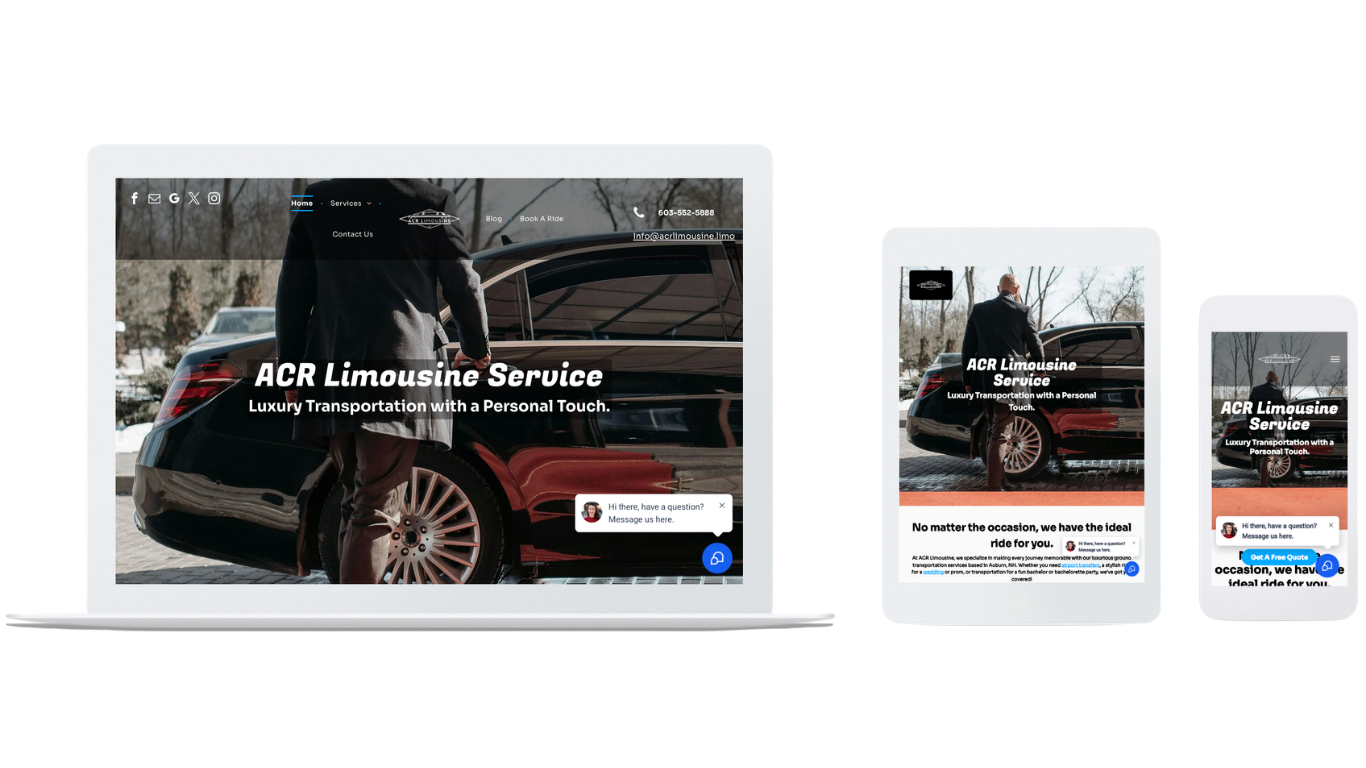
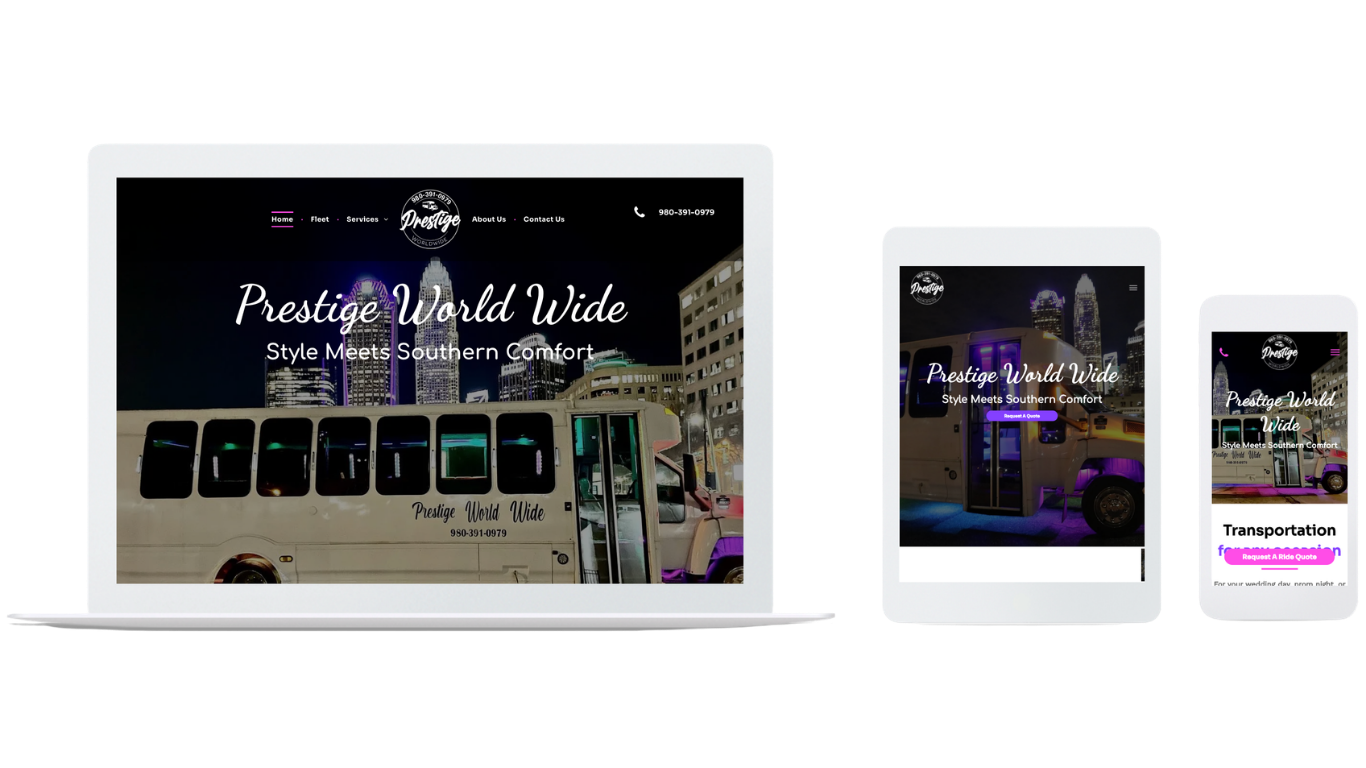
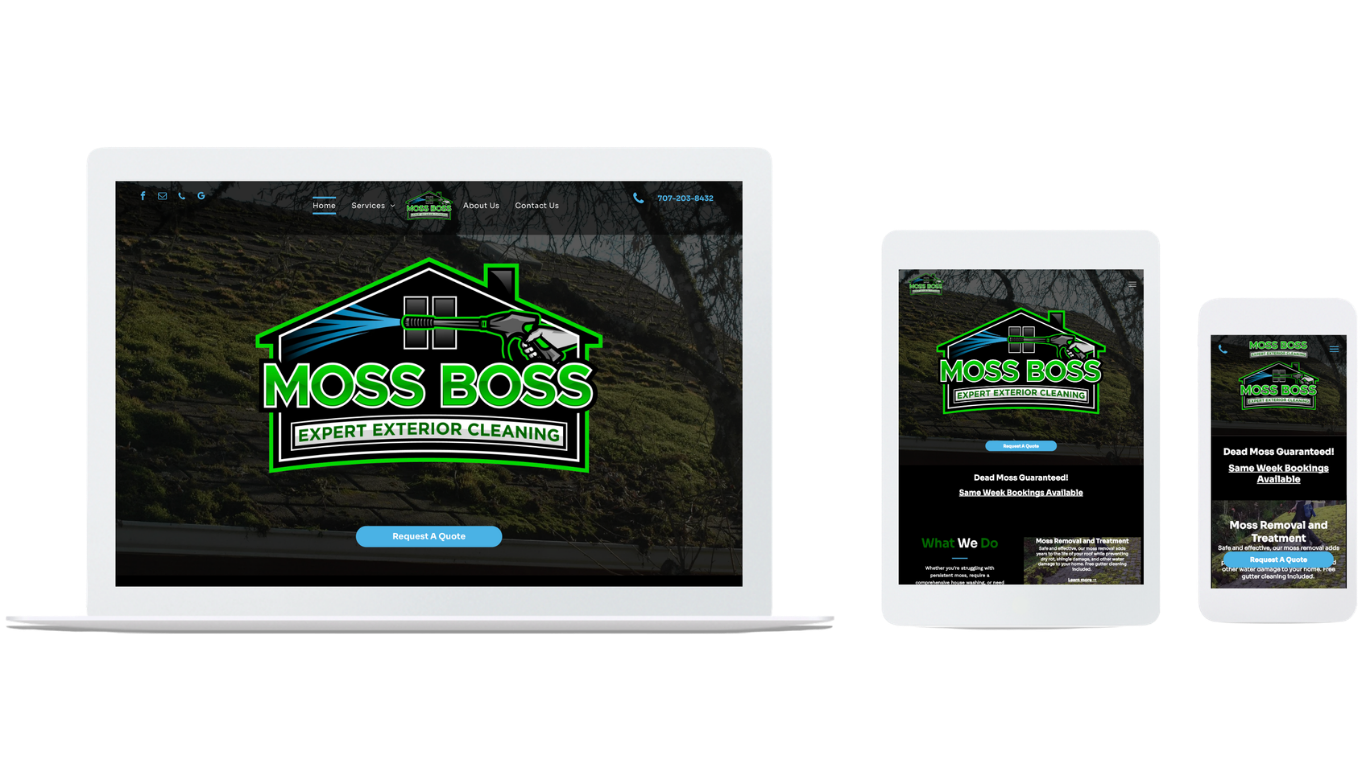
Beyond aesthetics, templates force every business into the same structural assumptions. They're built for generic use cases, which means they're optimized for no specific use case. A pressure washing company needs before-and-after galleries prominently placed because the visual transformation is the sale. A transportation company needs fleet photos, safety credentials, and booking information front and center. A contractor needs emergency contact information impossible to miss. Templates put all of these businesses into the same layout designed for none of them.
The result is a website that looks acceptable and performs poorly — because every conversion element is in the default position rather than the right position for your specific customer's decision-making process.
Template Sites Load Slowly — and Slow Sites Lose Rankings and Customers
Google's own data shows that 53% of mobile visits are abandoned when a page takes more than 3 seconds to load. Most template-built websites, particularly those on WordPress with multiple plugins installed, routinely exceed that threshold on mobile — the device most of your local customers are using when they search for your services.
Template platforms like WordPress require plugins to achieve basic functionality — contact forms, image optimization, security, caching, schema markup. Each plugin adds code. More code means slower load times. Slower load times mean higher bounce rates and lower search rankings, because Google's Core Web Vitals directly factor page speed into ranking decisions. A site that loads slowly doesn't just frustrate visitors — it gets penalized in the search results before those visitors ever arrive.
This is why Forget Me Never Media builds every client site on Duda. The platform handles image optimization, code efficiency, and performance at the infrastructure level rather than through layered plugins. The result is a site that loads quickly on mobile without the ongoing maintenance burden that WordPress plugin management requires. Fast loading isn't a feature — it's a prerequisite for ranking and converting in 2026.
Templates Create Duplicate Content Problems That Hurt Search Rankings
This is the template problem most business owners never hear about. When thousands of businesses use the same theme, they share similar code structure, similar layout patterns, and often similar placeholder copy that didn't get fully replaced. Search engines that encounter many sites with near-identical structure treat them as low-quality — not because the content is copied, but because the fingerprint is generic.
Custom-built sites have unique code architecture. Every page is structured for its specific purpose rather than forced into a theme's predetermined layout. This uniqueness is something search engines reward because it reflects genuine effort to serve the specific user — which is exactly what Google's quality evaluation is designed to identify.
Beyond code structure, custom design allows service-specific content architecture. A single services page that lists everything the business does is a template default. Individual service pages targeting specific keywords with specific content — each one built around a distinct search query and customer intent — is how businesses rank for the searches that actually generate revenue.
The Conversion Gap Between Templates and Custom Sites
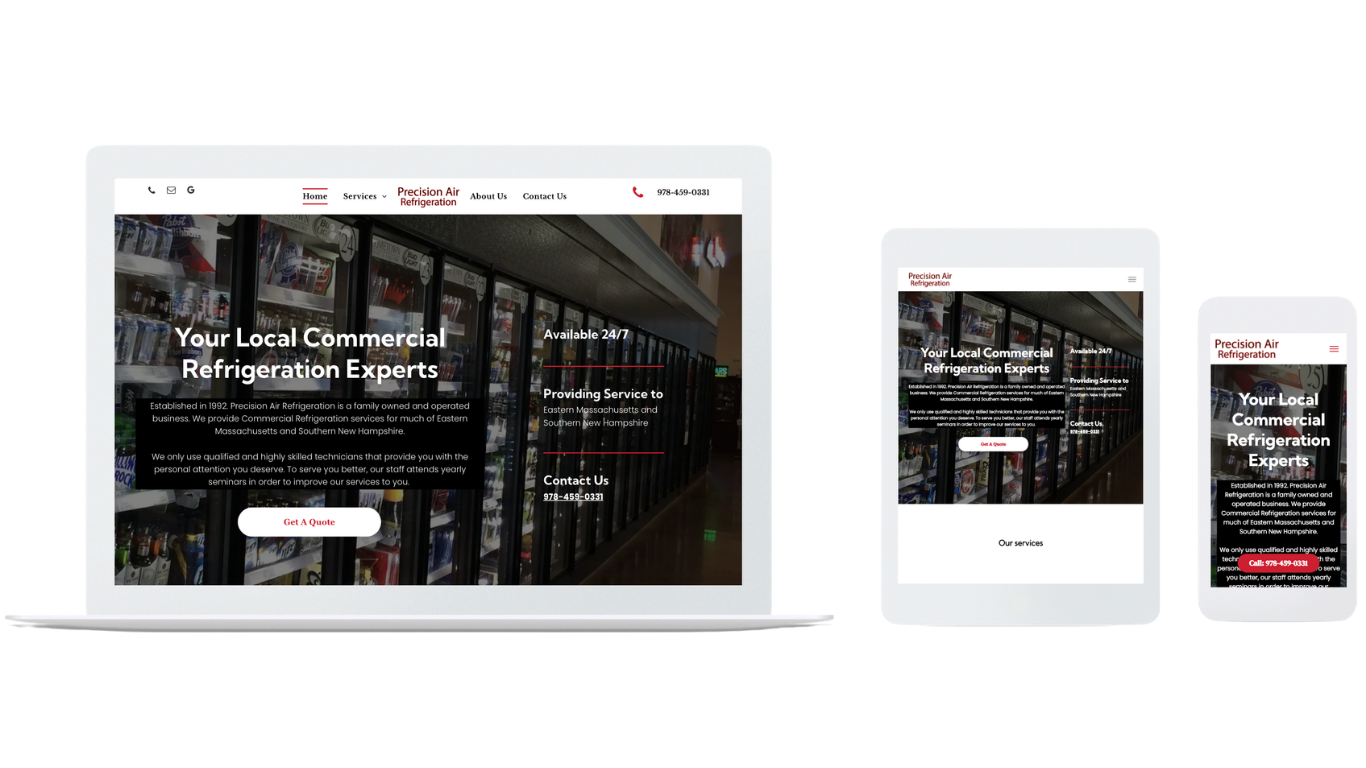
Templates apply the same conversion assumptions to every business. Phone number in the header. Contact form at the bottom. Services listed in the middle. This structure might be logical but it isn't optimized — it's generic.
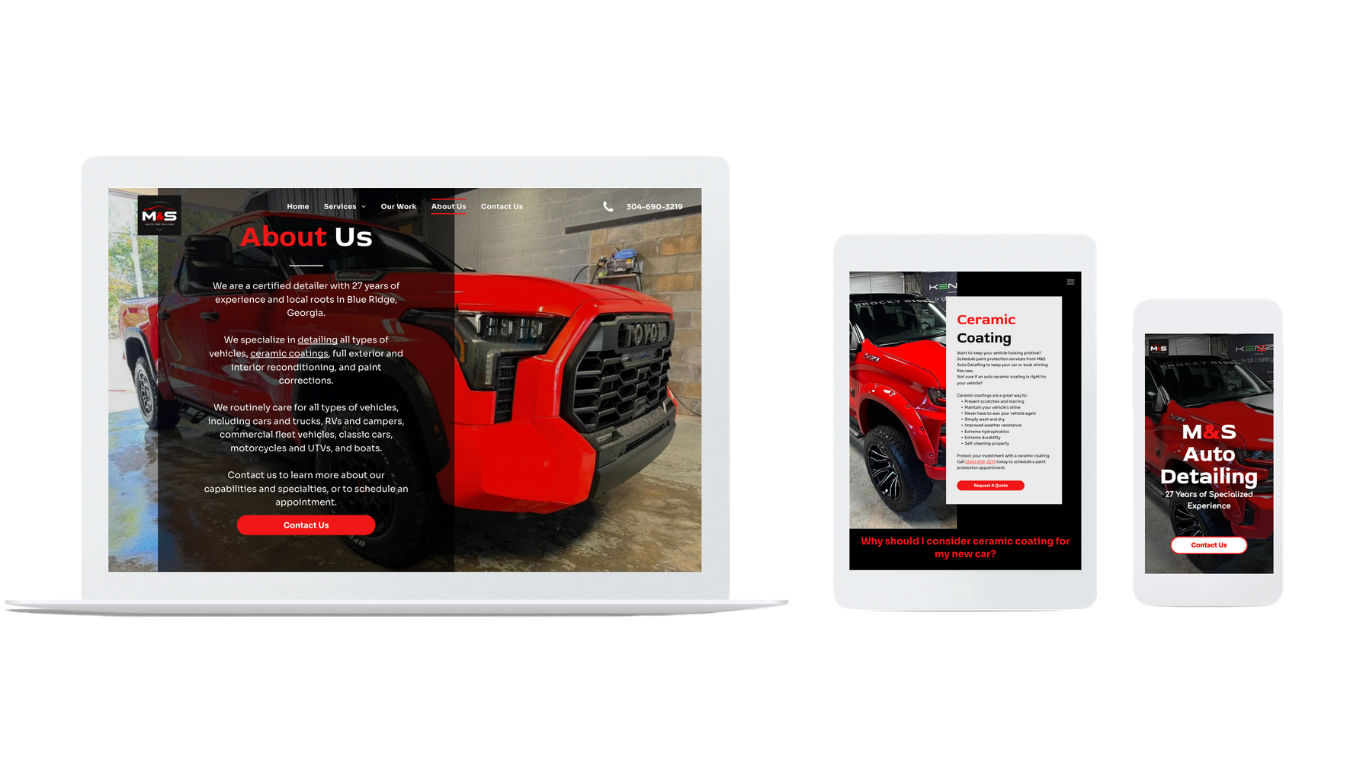
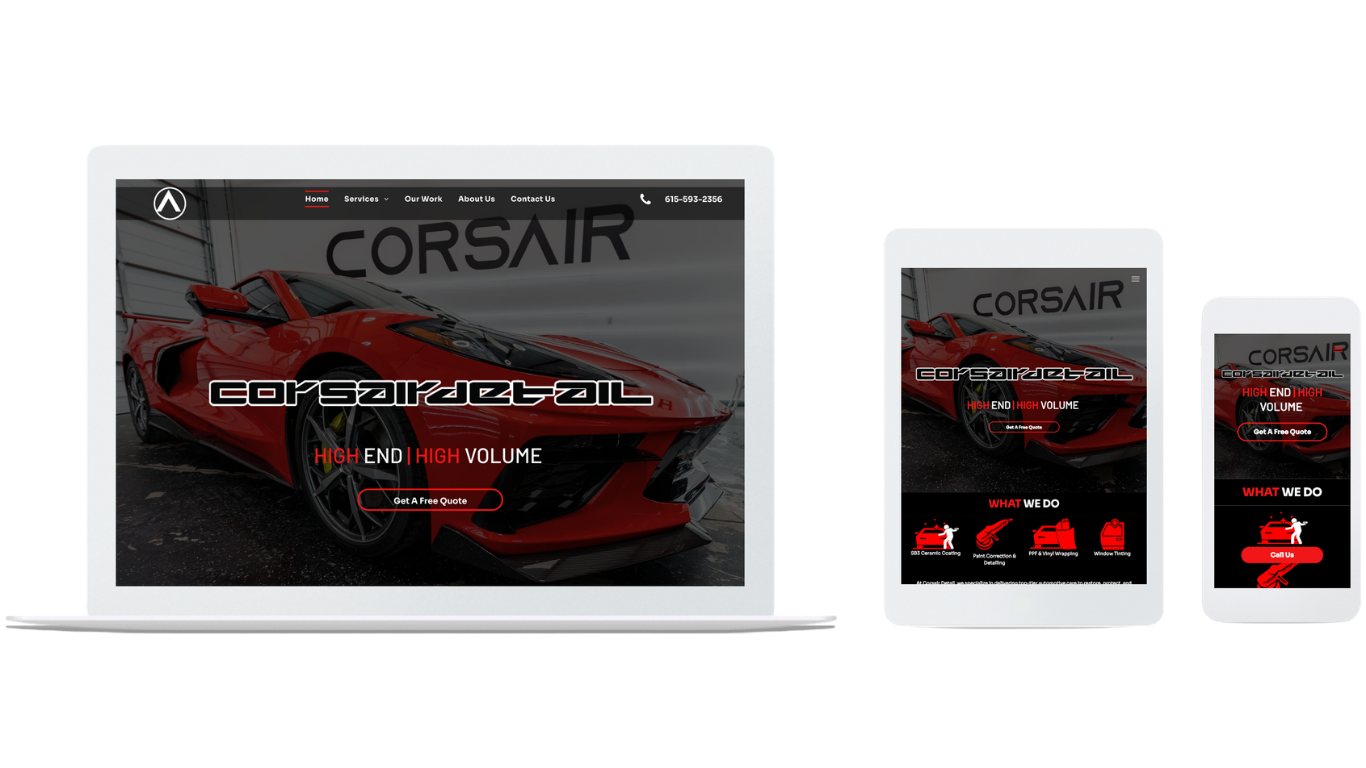
Custom conversion architecture starts with understanding how your specific customers make decisions. Emergency service businesses need phone numbers in multiple prominent locations because a customer with an urgent problem shouldn't have to search for a way to call. Visual service businesses — detailing, exterior cleaning, landscaping — need before-and-after proof prominent enough that a visitor can evaluate quality before they scroll. Service businesses that serve distinct customer types need different messaging paths for different visitors.
Josh has built websites for contractors, auto detailers, transportation companies, exterior cleaners, and other local service businesses for 15 years. The conversion elements that work for each are different — not dramatically, but meaningfully. A template can't account for those differences because it wasn't built with your business or your customers in mind. A custom site built around your actual customer journey can.
The Real Math on Template Savings
A template website costs less upfront. That's real. What's also real: if your site converts at a fraction of what a well-built site would because it loads slowly, looks generic, and doesn't guide visitors toward taking action, the gap in lead generation compounds every month.
Our clients who replaced template sites with custom builds on Duda consistently saw improvements in organic rankings — because page speed and content structure both improved — and in lead conversion — because the sites were built around their customer's actual decision process rather than a generic template's assumptions.
The businesses that invest in web design as a revenue tool rather than a business expense stop asking whether the site looks good. They start asking whether it's generating leads. Those are different questions with different answers — and the template almost never wins the second one.
No long-term contracts. No cookie-cutter solutions. Just a website built to do what a website for a local service business actually needs to do.
Table of Contents
IS YOUR BUSINESS READY FOR 2026?
Get a free digital marketing audit and see exactly where your biggest opportunities are hiding.