
Why Your Business Looks Unprofessional Online — And How to Fix It Before It Costs You Customers
Forget Me Never Media's clients see an average of 185% revenue growth after we rebuild their complete marketing system. Brand development is where that system starts — not because logos and colors are the most important thing, but because a business that looks inconsistent or unprofessional online loses customers before it ever gets the chance to prove how good the work actually is.
Most local service businesses are better at their craft than they appear online. The work is excellent. The reputation in the local community is solid. But the website uses a different font than the truck wrap, the logo looks pixelated on the business card, the email signature doesn't match the estimate template, and nothing looks like it came from the same business. A potential customer comparing three options picks the one that looks most established — even if the others do better work.
Brand identity is the system that prevents that loss. Here's what it actually involves and why it matters for a local service business specifically.
What Brand Identity Actually Means for a Service Business
Brand identity for a local service business isn't about being clever or creating a memorable tagline. It's about looking like a real, established, trustworthy business at every point where a potential customer evaluates you — which happens before they ever pick up the phone.
The evaluation starts with the search result. Your business name, the Google Business Profile photo, and the first line of your description create an impression before anyone clicks. It continues on the website — does this look like a professional operation or something thrown together on a template? It continues when someone gets an estimate — does the document look polished or like a basic invoice from free accounting software? It continues when they look up reviews and the profile photo is a blurry logo from 2015.
None of these individual elements is decisive on its own. Together they create a cumulative impression of whether your business is the kind of operation someone wants to hand money to. A strong brand identity makes that impression consistently positive across every touchpoint. A weak one creates doubt at multiple points in the customer journey — doubt that your competitors don't create because they look more put-together even if they aren't better.
The Elements That Actually Comprise a Brand Identity
A complete brand identity system for a local service business includes more than most business owners expect when they first ask about it.
A professional logo — in multiple formats for different applications, not just a single JPEG that gets stretched and distorted across everything. A color system with specific values for digital and print applications so everything matches regardless of who is producing it. Typography — the specific fonts used in headings and body copy — applied consistently across the website, marketing materials, and documents. A voice and tone guide that describes how the business communicates, so that an email from the owner, a social media post, and a service page on the website all feel like they came from the same company.
The reason all of these elements need to be documented rather than just existing is that local service businesses involve multiple people and vendors touching their brand over time. A web designer, a vehicle wrap company, a print shop, a social media manager — if each one is working from a different version of the logo or a different color from memory, the result is a brand that looks different everywhere it appears. The documentation is the system that keeps everything consistent as the business grows.
Why Brand Development Comes First in the Marketing System
Forget Me Never Media offers six services — brand development, web design, local SEO, Google Ads, workflow automation, and Panoptix CRM. Brand development is intentionally first in that sequence because every other service builds on it.
A website built without a defined brand identity will have a visual identity that belongs to the template rather than the business. Local SEO content written without a defined brand voice will sound different from the website copy, the Google Business Profile description, and the owner's responses to reviews. A Google Ads landing page that doesn't visually connect to the main website creates a jarring experience for a visitor who saw the ad, clicked through, and isn't sure they've arrived at the same business.
When brand identity is established first, every subsequent piece of the marketing system reinforces the same identity. The website looks like the brand. The ads look like the website. The reviews get responses in the brand voice. The estimates and invoices look like they come from the same professional operation. That consistency is what turns a collection of marketing tactics into a system that builds trust over time rather than creating confusion.
Josh developed this approach after watching businesses invest in individual marketing services — a new website here, a Google Ads campaign there — without the foundational brand work that would make each investment compound on the others. A beautiful website built on an inconsistent brand identity doesn't convert as well as a good website built on a clear one. Every marketing dollar works harder when the brand underneath it is solid.
What the Process Actually Looks Like
Brand development for a local service business at Forget Me Never Media starts with understanding the business — its strongest differentiators, its ideal customers, what it stands against, what a customer feels when they have a great experience with it. The visual identity and voice that get developed reflect those specifics rather than being applied generically.
The deliverable isn't just design files. It's a complete brand identity guide — logo variations for every application context, color values for digital and print, typography specifications, voice and tone guidelines, and usage examples that show how each element applies in real situations. The guide is what makes the brand maintainable as the business grows, takes on new team members, or works with new vendors.
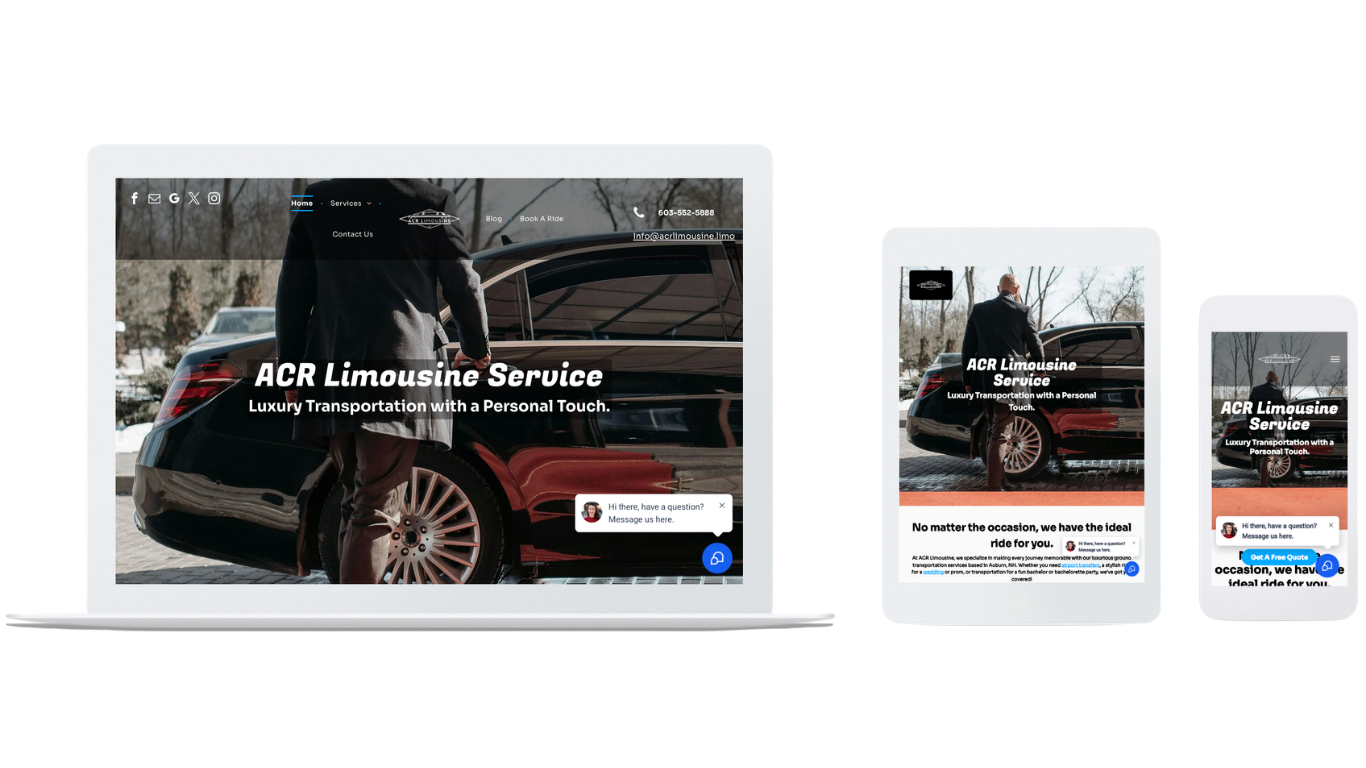
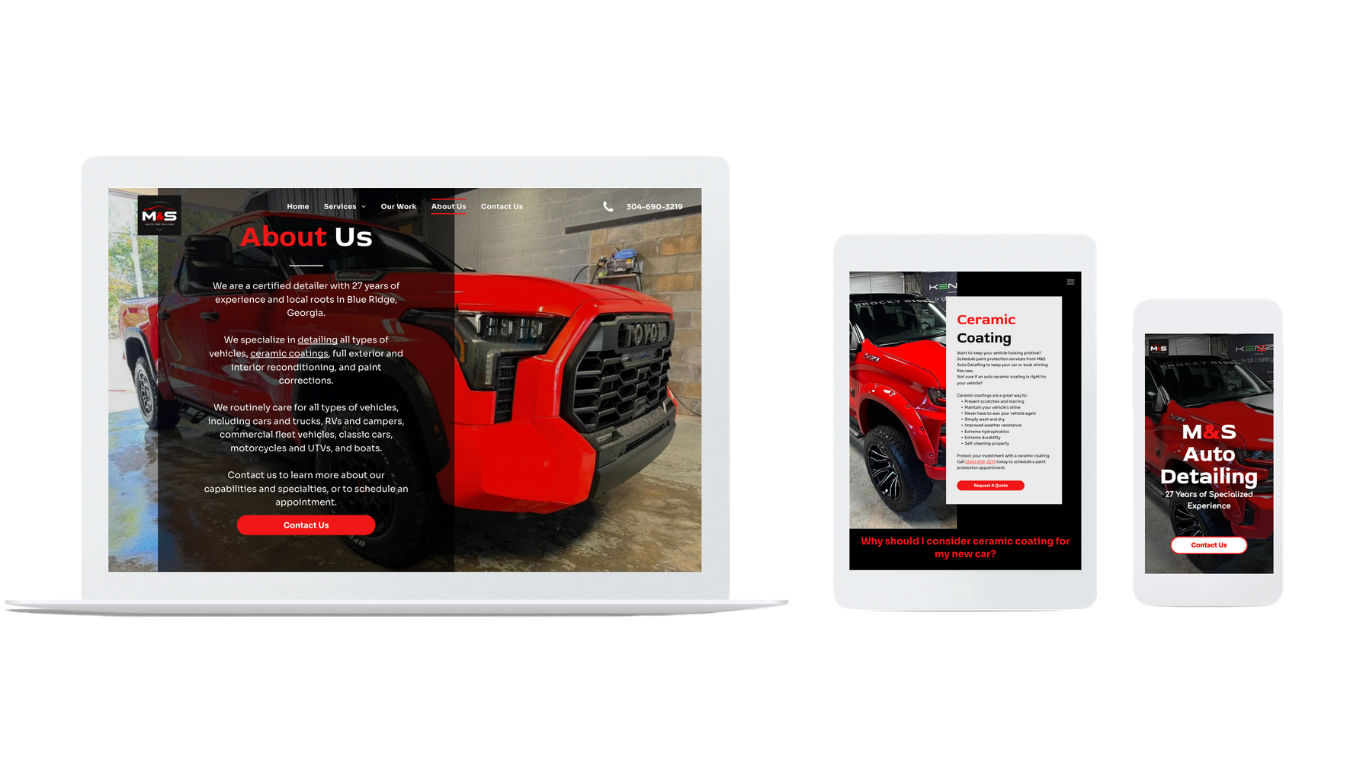
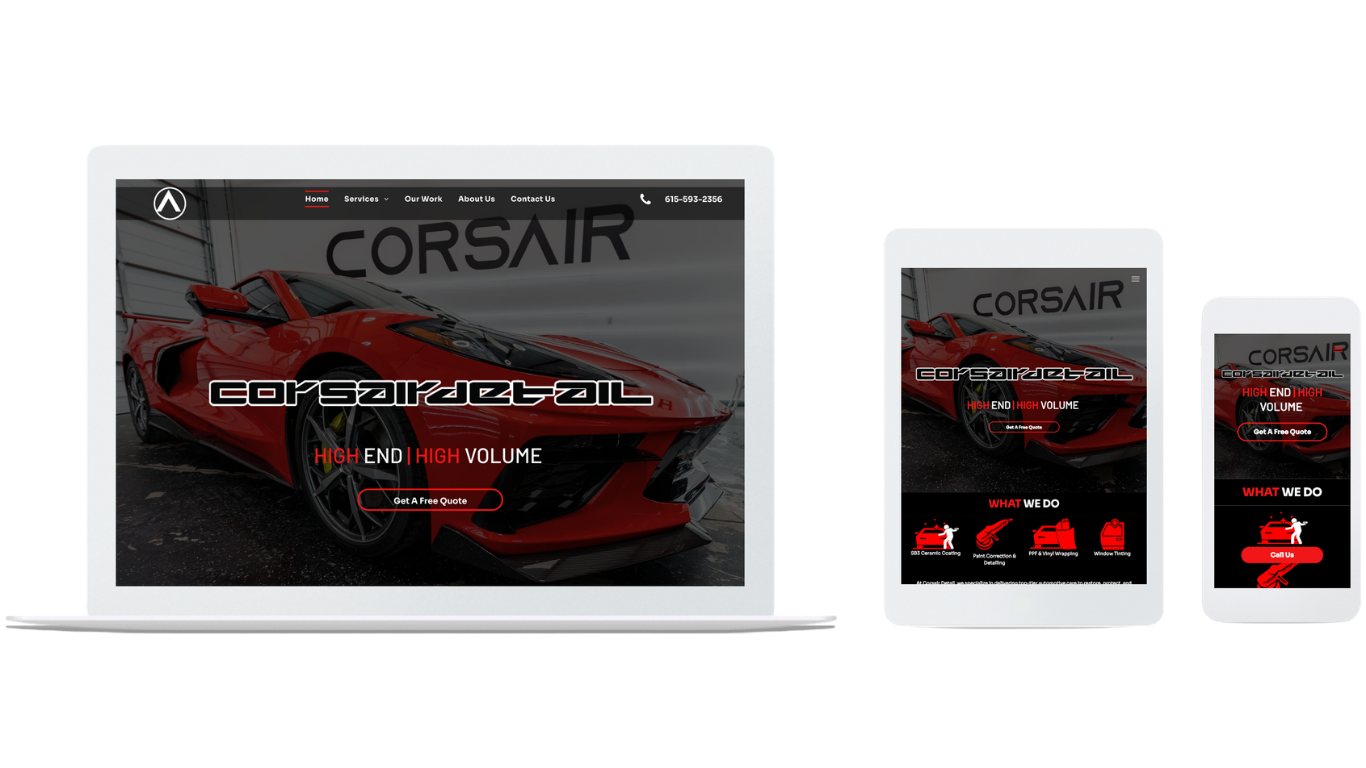
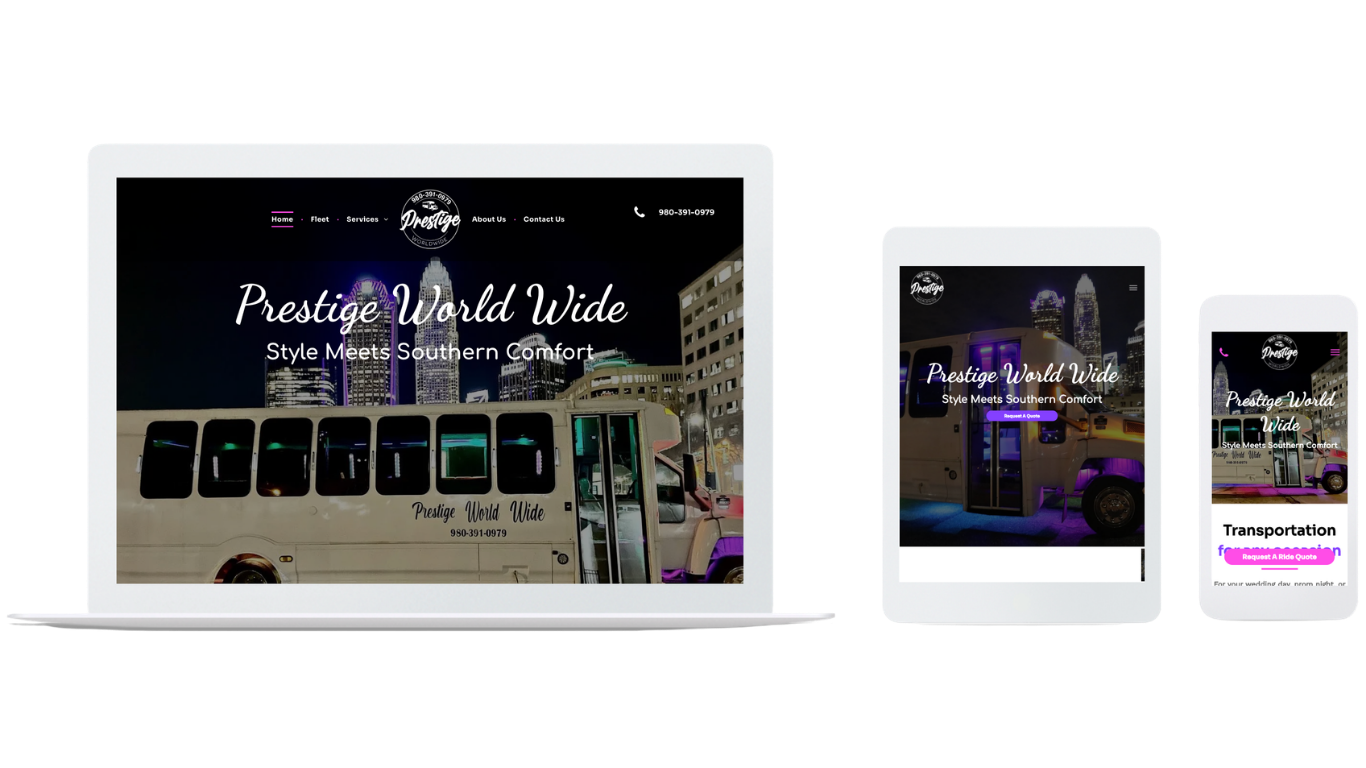
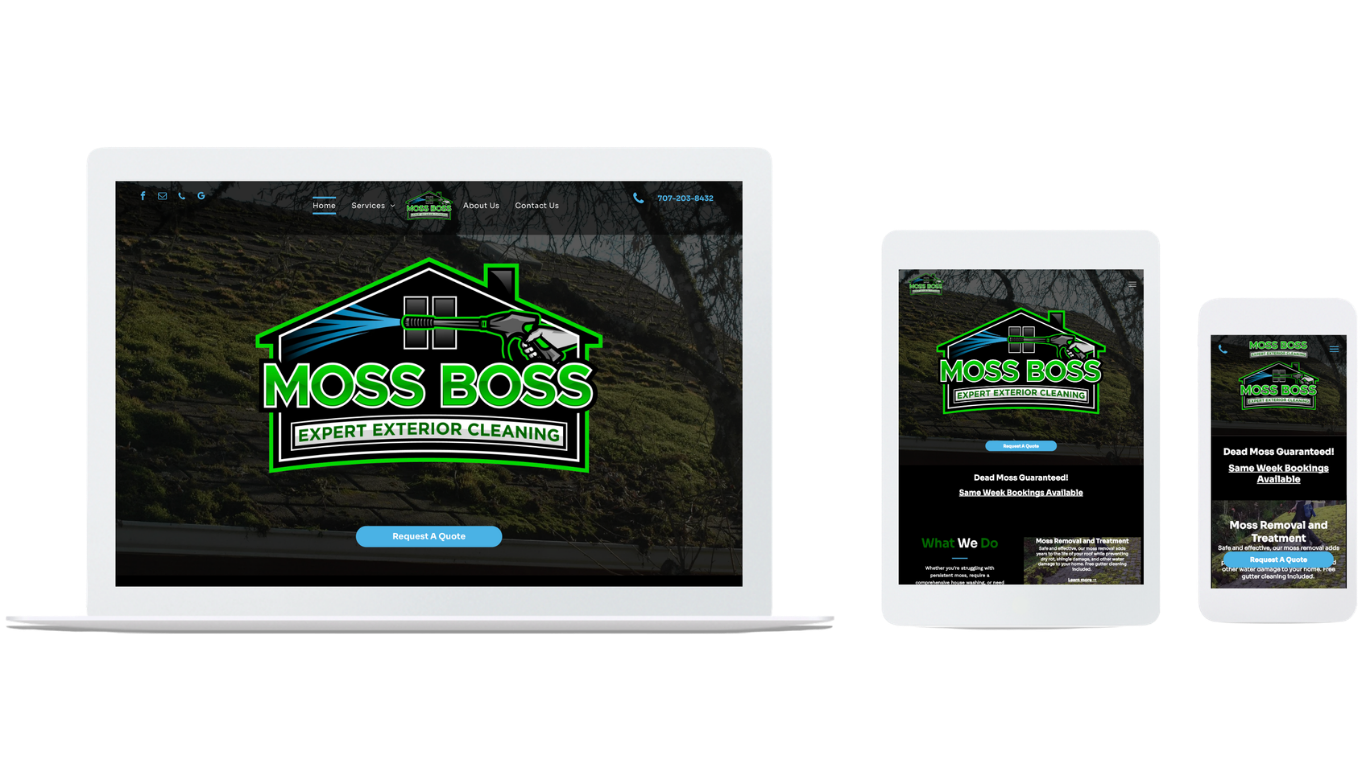
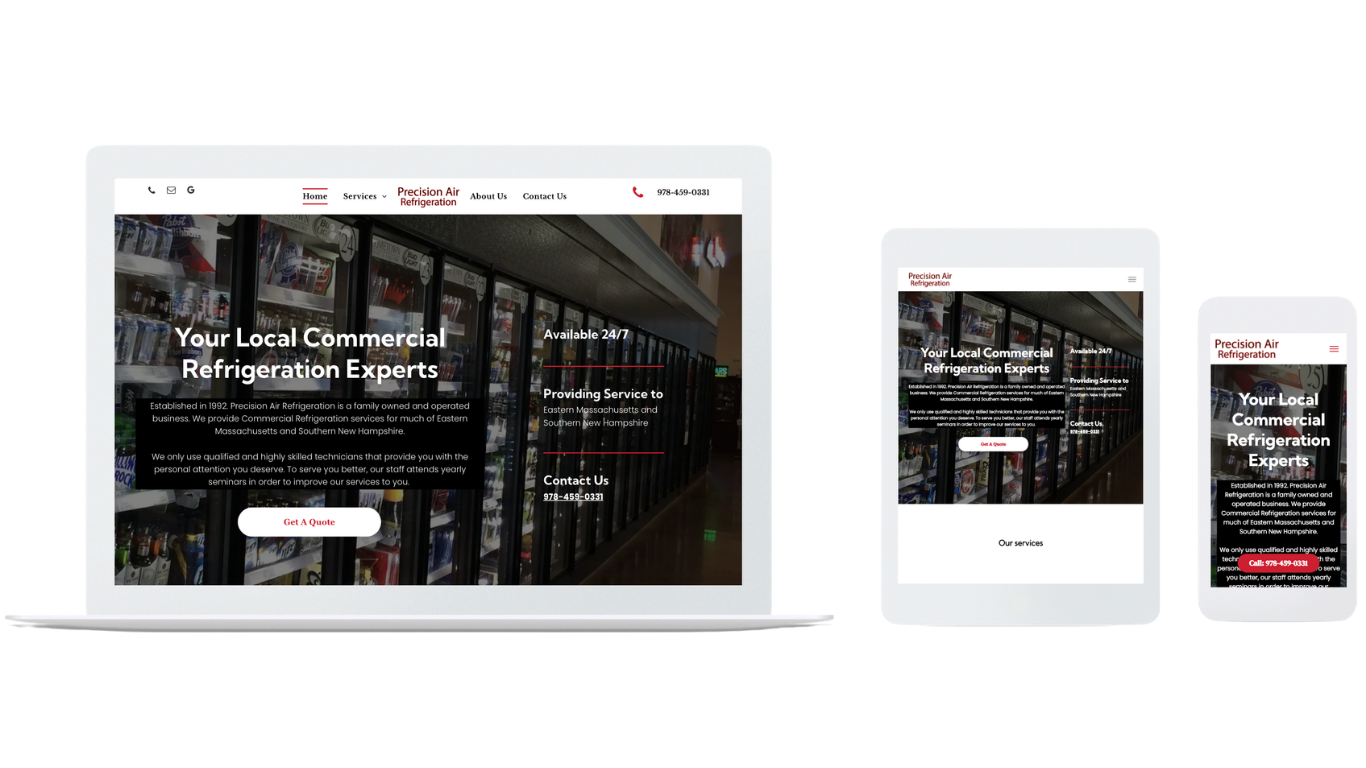
For a contractor, that might mean a brand that communicates precision, reliability, and local credibility — visually and verbally distinct from the generic contractor look that every template website defaults to. For a luxury transportation company, it might mean a brand that justifies premium pricing through every visual and written element. For an auto detailer, it might mean a brand that signals the kind of care and attention to detail that distinguishes serious professional work from a car wash with a loyalty card.
The common thread is specificity. The businesses that look most professional online aren't the ones with the biggest budgets — they're the ones whose brand identity was built to represent who they actually are rather than what a generic template assumed they should look like.
No long-term contracts. No cookie-cutter logo packages. Just brand development that gives every other marketing investment a foundation worth building on.
Table of Contents
IS YOUR BUSINESS READY FOR 2026?
Get a free digital marketing audit and see exactly where your biggest opportunities are hiding.