
The Real Timeline for Local SEO Results
Our average client sees 185% revenue growth through a complete local SEO system. But that number doesn't happen in 30 days, and any agency telling you otherwise is either lying or measuring something that doesn't matter. This article gives you the honest timeline — what actually happens month by month when local SEO is done correctly, what to watch for that tells you it's working, and what to watch for that tells you it isn't.
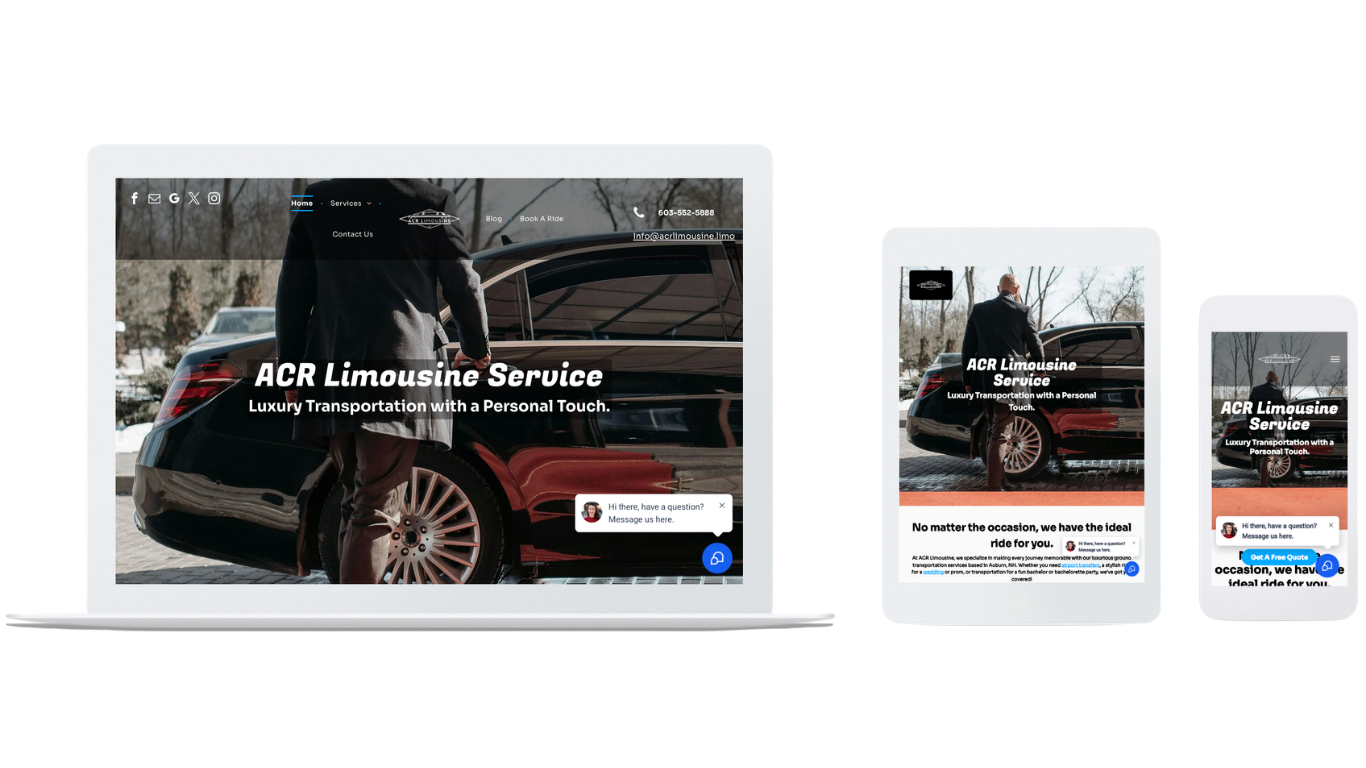
ACR Limousine Service saw 835% organic search growth and a 35% revenue increase in six months. That's a real result from a real client. It also didn't happen overnight, and it didn't happen because someone promised quick wins. It happened because the foundation was built correctly before any ranking improvements were expected.
Why Most Timeline Promises Are Wrong
Agencies promise first-page rankings in 30 to 60 days for one of two reasons. Either they're using tactics that violate Google's guidelines — tactics that produce temporary results and long-term penalties — or they're measuring rankings for keywords nobody is searching for.
Real local SEO builds something that lasts. That takes time because Google doesn't hand out authority quickly. It has to be earned through consistent signals — technical foundations, content that matches search intent, citations that verify your location, reviews that demonstrate trust. Each of these signals compounds over months, not weeks.
Josh has managed local SEO campaigns for 15 years across contractors, detailers, transportation companies, and exterior cleaning services. The timeline he's going to walk you through isn't theory. It's the pattern that repeats when the work is done right and the client sticks with it long enough to see the system deliver.
Month 1: Fix What's Broken
Nothing moves in month one and that's exactly right. Month one is foundation work — fixing the technical problems that prevent search engines from reading your site correctly, cleaning up citation inconsistencies that confuse Google about where your business is located, and optimizing your Google Business Profile so it's actually competitive.
Most local service business websites have technical issues they don't know about. Pages that load slowly on mobile. Missing schema markup that prevents Google from understanding what the business does. Duplicate content across service pages. Inconsistent business name and address across directories. None of these are visible to a casual visitor. All of them suppress rankings.
The test for whether month one is being executed honestly: your agency should be showing you specific technical fixes, before-and-after page speed scores, and a citation audit with corrections made — not a keyword ranking report. Rankings won't move yet. If your agency is showing you ranking improvements in week three, ask what keywords they're tracking. The answer usually reveals the problem.
Months 2 and 3: Content and Early Signals
Months two and three are where the visible work begins. Content gets built around the keywords your customers actually search when they're ready to hire someone. Your Google Business Profile gets active management — posts, photos, review responses, service descriptions that match real search queries. Local authority signals start accumulating.
Around the 90-day mark, you'll typically start seeing movement for less competitive, longer-tail keywords. Not your primary keywords yet — those take longer because the competition is stronger. But searches that are specific to your service type and location will start showing your business in positions that weren't there before.
This is also where agencies that aren't doing real work get exposed. Authority building requires consistent effort over weeks. Agencies that disappear after onboarding and reappear for monthly reporting calls aren't executing during this phase. If you're not seeing new content published, new citations built, and active GBP management, the work isn't happening.
Months 4 Through 6: Momentum Becomes Visible
Months four through six are when the work from the first three months starts compounding. Technical improvements from month one are now fully indexed. Content from months two and three is accumulating authority. Citation signals are consistent across directories. This is when rankings for your primary keywords start moving meaningfully.
You should see organic traffic increasing — not dramatically, but measurably and consistently. More importantly, you should start seeing phone calls and contact form submissions attributed to organic search. If you have call tracking in place, the source data becomes clear. Organic search is starting to generate leads, not just visitors.
ACR Limousine's 35% revenue increase happened within this window. The 835% traffic growth was building throughout months one through six, but the revenue impact hit during the period when rankings reached positions that captured real buying intent. Rankings on page two don't drive calls. Rankings in the top three do.
Months 7 Through 12: The System Pays Off
By months seven through twelve, properly executed local SEO becomes a reliable lead generation channel. Your primary service keywords are ranking in competitive positions. Your Google Business Profile appears consistently in the map pack. Your content is capturing search traffic across dozens of keyword variations you may not have originally targeted.
The most important shift during this phase is that organic search stops feeling like an experiment and starts feeling like infrastructure. It generates leads predictably. It compounds — new content builds on existing authority, new reviews strengthen trust signals, new citations reinforce location data. The monthly cost of maintaining the system becomes small relative to the revenue it generates.
This is also when the difference between real SEO and vanity metrics becomes undeniable. Traffic reports with no revenue connection can hide a failed strategy for six months. By month twelve, the question isn't whether your rankings improved — it's whether your phone is ringing more than it was a year ago and whether you can trace those calls back to search.
What a Realistic Timeline Tells You About Your Agency
If your agency is showing you impressive rankings in month one, ask what those keywords actually search for. If they can't connect their work to phone calls and revenue by month six, the strategy isn't working. If they need a long-term contract to keep you as a client, ask yourself why the results don't speak for themselves.
Josh built Forget Me Never Media around the opposite model. No lock-in contracts. Results measured in leads and revenue, not impressions and keyword positions. A timeline that's honest about how long real results take — because businesses that understand the timeline make better decisions than businesses sold on promises that don't hold up.
Six months of real work beats twelve months of busy work. The timeline is predictable when the work is done right.
Table of Contents
IS YOUR BUSINESS READY FOR 2026?
Get a free digital marketing audit and see exactly where your biggest opportunities are hiding.