
The Difference Between Google Ads and Local SEO — and Why You Probably Need Both
Forget Me Never Media's clients see an average of 185% revenue growth. Almost none of them got there by choosing between Google Ads and local SEO. The businesses that grow fastest use both — not simultaneously from day one, but strategically, with each one funding and informing the other over time. The return on a complete system versus a single tactic isn't incremental. It's the difference between renting customers and owning a marketing asset that compounds.
Most local service businesses get pushed toward one or the other by whoever they hired first. An SEO agency tells them paid search is expensive and unnecessary. A Google Ads agency tells them SEO takes too long and doesn't scale. Both are protecting their specialty rather than building your business. Here's what both strategies actually do, when each one makes sense, and why the combination is almost always the right answer for a local service business with growth ambitions.
What Google Ads Actually Does
Google Ads puts your business in front of people who are actively searching for your services right now. When a campaign is built correctly — targeting searches with real buying intent, excluding irrelevant traffic, sending visitors to landing pages designed to convert — it generates leads quickly and predictably.
The strength of Google Ads is immediacy and control. You decide which searches trigger your ads, which geographic areas you serve, which times of day your ads run, and how much you're willing to pay per click. A well-structured campaign can be generating qualified leads within days of launch. When you need to increase lead volume heading into a busy season, you increase budget. When you need to pull back, you reduce it. The leads are essentially on demand.
The limitation is that Google Ads is rented visibility. The moment you stop paying, the leads stop. There's no residual value — no rankings that persist, no authority that carries over, no asset built from the investment beyond the data you collected and the customers you acquired. For a business that depends entirely on paid search, the marketing cost never decreases regardless of how long you've been running campaigns.
What Local SEO Actually Does
Local SEO builds visibility that you own rather than rent. When your Google Business Profile is optimized, your website is built correctly for local search, your citations are consistent, your content matches the searches your customers make, and your review profile demonstrates credibility — you rank in the places your customers look without paying per click for each visitor.
The strength of local SEO is that it compounds. Authority built over months doesn't disappear when you stop paying a monthly fee. Rankings that took six months to achieve keep generating traffic. Reviews accumulated over a year keep building trust. The asset grows over time rather than resetting every billing cycle.
The limitation is timeline. Local SEO doesn't produce leads on day one or day thirty. The technical foundation takes time to index. Content takes time to build authority. Citations take time to verify. For a business that needs leads now to fund the investment in organic visibility, waiting six months for SEO to produce results isn't a viable option — which is exactly where Google Ads fills the gap.
How the Two Strategies Work Together
The approach that produces the best long-term results for local service businesses uses Google Ads to generate immediate revenue while local SEO builds the organic foundation that eventually reduces dependence on paid advertising.
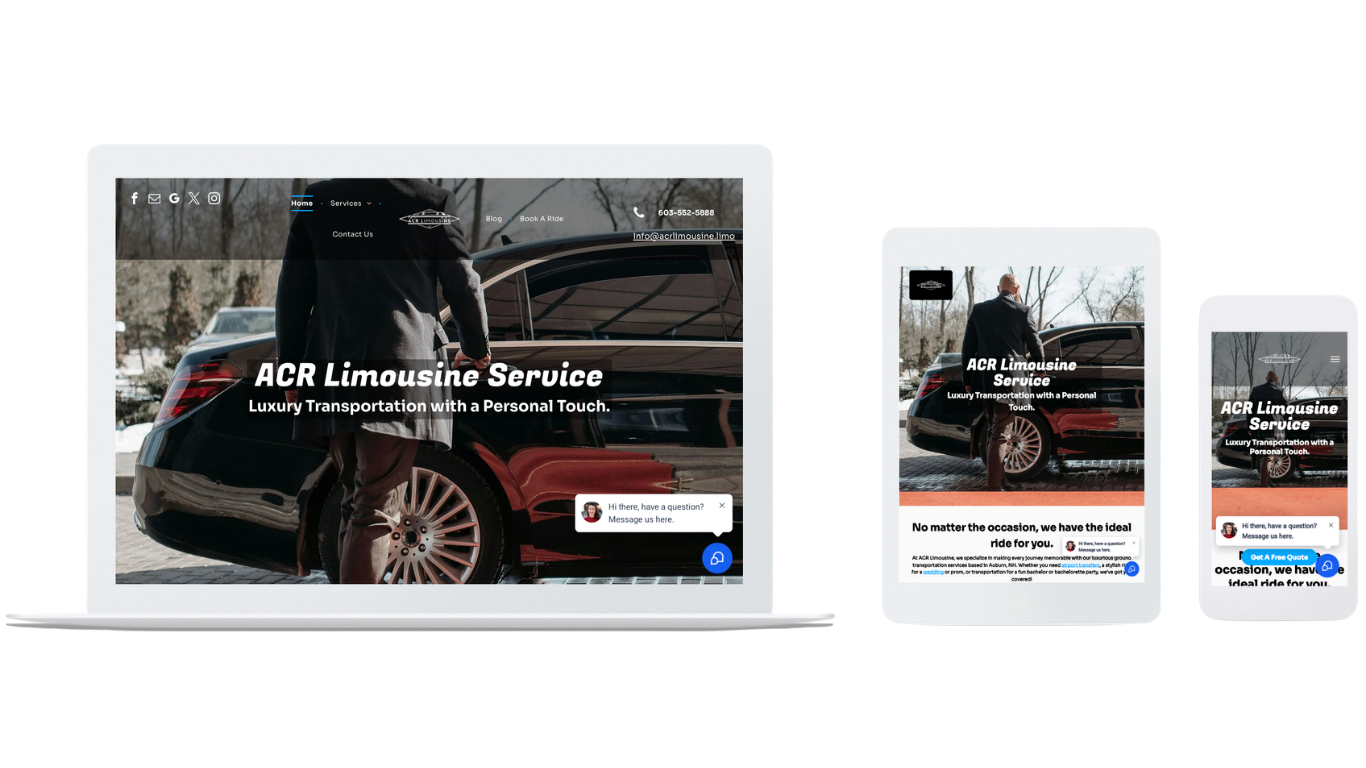
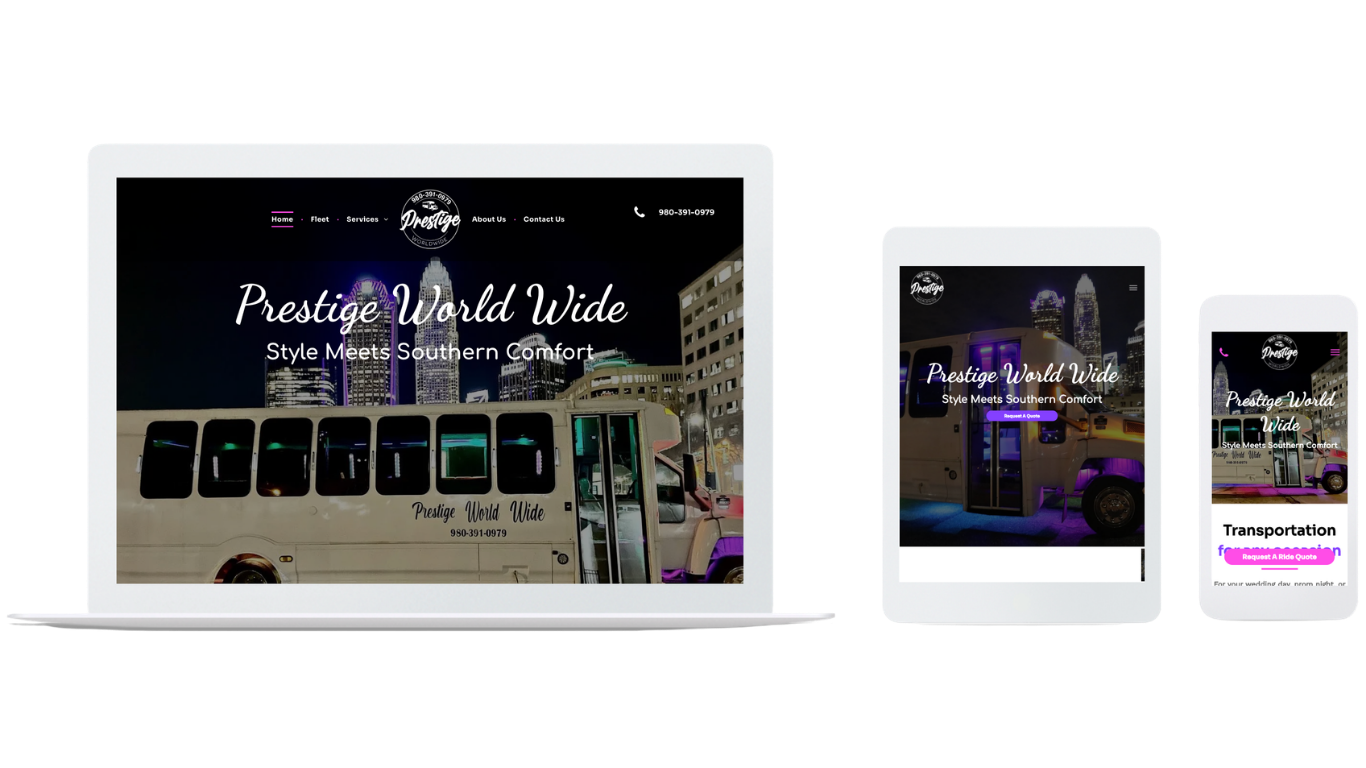
ACR Limousine Service's results — 2,600% traffic increase, 835% organic search growth, and 35% revenue increase in six months — came from both channels working together. Paid search generated leads during the period when organic rankings were still building. The data from those paid campaigns — which keywords converted, which geographic areas produced the most valuable customers, which ad copy resonated — directly informed the SEO and content strategy. By the time organic rankings were producing consistent traffic, the campaign was already optimized based on real conversion data rather than assumptions.
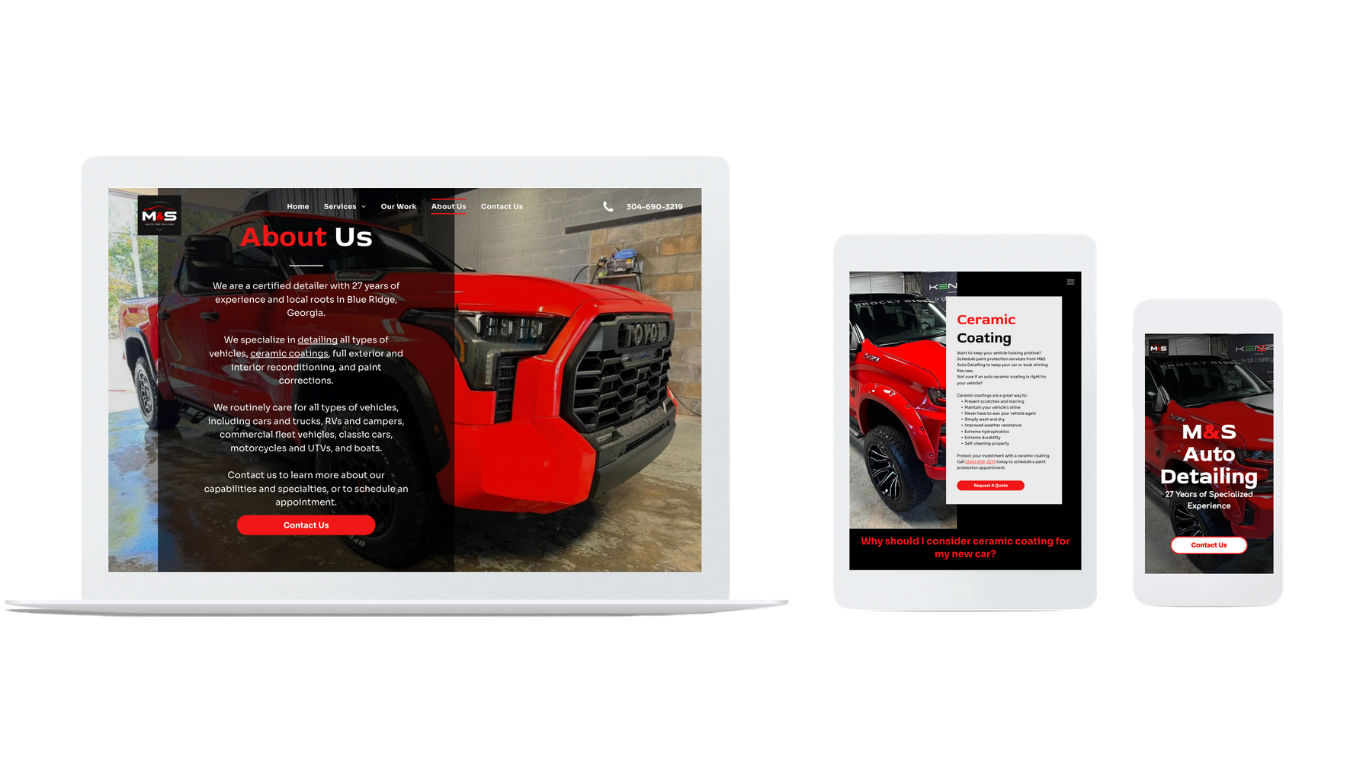
Corsair Detail reduced their paid advertising dependency over time by building organic authority alongside their campaigns. The result was 805 total leads and 47% lead growth year over year — with a meaningfully lower cost per lead than when paid advertising was carrying the full load.
That's the pattern. Google Ads funds the business while SEO builds. SEO matures and reduces the budget required from paid search. The combined system eventually delivers more leads at a lower total marketing cost than either channel could produce alone.
The Data Each Channel Produces for the Other
One of the most underused benefits of running both channels simultaneously is what each one teaches you about the other.
Google Ads data is the fastest way to learn which keywords actually convert customers versus which ones generate curiosity clicks. A keyword that drives consistent conversions in paid search is a priority target for organic rankings — because the paid data has already proven buying intent. A keyword with high search volume and low conversion rate in paid campaigns is a signal not to invest organic effort there regardless of the traffic it could generate.
Local SEO data shows which organic searches are bringing people to your site and which pages they engage with most before converting. That content and those topics become the basis for ad copy testing — because the organic visitors who spent time on those pages have shown what resonates with your audience.
Most agencies run these channels in isolation because they specialize in one or the other. The integration — using paid data to sharpen SEO targeting and organic data to improve paid campaign structure — is what happens when someone manages both with a complete view of the business.
When to Start Each One
For a local service business starting from scratch or rebuilding a broken marketing system, the right sequence is almost always: Google Ads first to generate immediate leads and revenue, local SEO foundation alongside it from day one, and a gradual shift in budget allocation as organic rankings develop and demonstrate they're producing qualified traffic.
For a business that already has strong organic rankings but no paid presence, adding Google Ads captures the high-intent searches that organic results miss — people who scroll past organic listings and click ads because the ad copy matched their urgency better than the page title. For a business already running Google Ads with no organic foundation, every dollar of ad spend is producing a customer but building nothing that reduces future costs.
The right balance depends on where the business is right now, what its growth timeline looks like, and what its margins support in terms of ongoing paid investment. Josh manages both channels for every Forget Me Never Media client who uses them — because the decisions made in one channel affect outcomes in the other, and fragmenting that management across separate agencies produces fragmented results.
No long-term contracts. No agencies protecting their specialty at the expense of your growth. Just both channels working together the way they're supposed to.
Table of Contents
IS YOUR BUSINESS READY FOR 2026?
Get a free digital marketing audit and see exactly where your biggest opportunities are hiding.