
Building Local Authority Without a PR Budget
Josh has generated 15,000+ leads and driven 150,000+ website visitors for local service businesses across the USA — and a significant portion of that came not from paid advertising but from systematic local authority building that costs time and consistency rather than budget. One client added $180,000 in new revenue through local authority strategies alone. No PR firm. No expensive link-building packages. No paid placements.
Most local service businesses think authority is something you buy. A big agency retainer, a press release service, a backlink package with a price tag attached. The businesses that actually dominate local search over the long term built their authority differently — through real community connections, strategic reputation management, and content that demonstrates genuine local expertise. Google rewards all three because they represent signals that can't be faked at scale.
Community Partnerships Drive Search Authority More Than Paid Links
Your local Chamber of Commerce, trade associations, licensing boards, and professional organizations all have websites. Most of them link to member businesses. Those links carry more authority than any directory submission because they come from established, trusted sources that Google has been evaluating for years — and because they represent real professional recognition, not a paid placement.
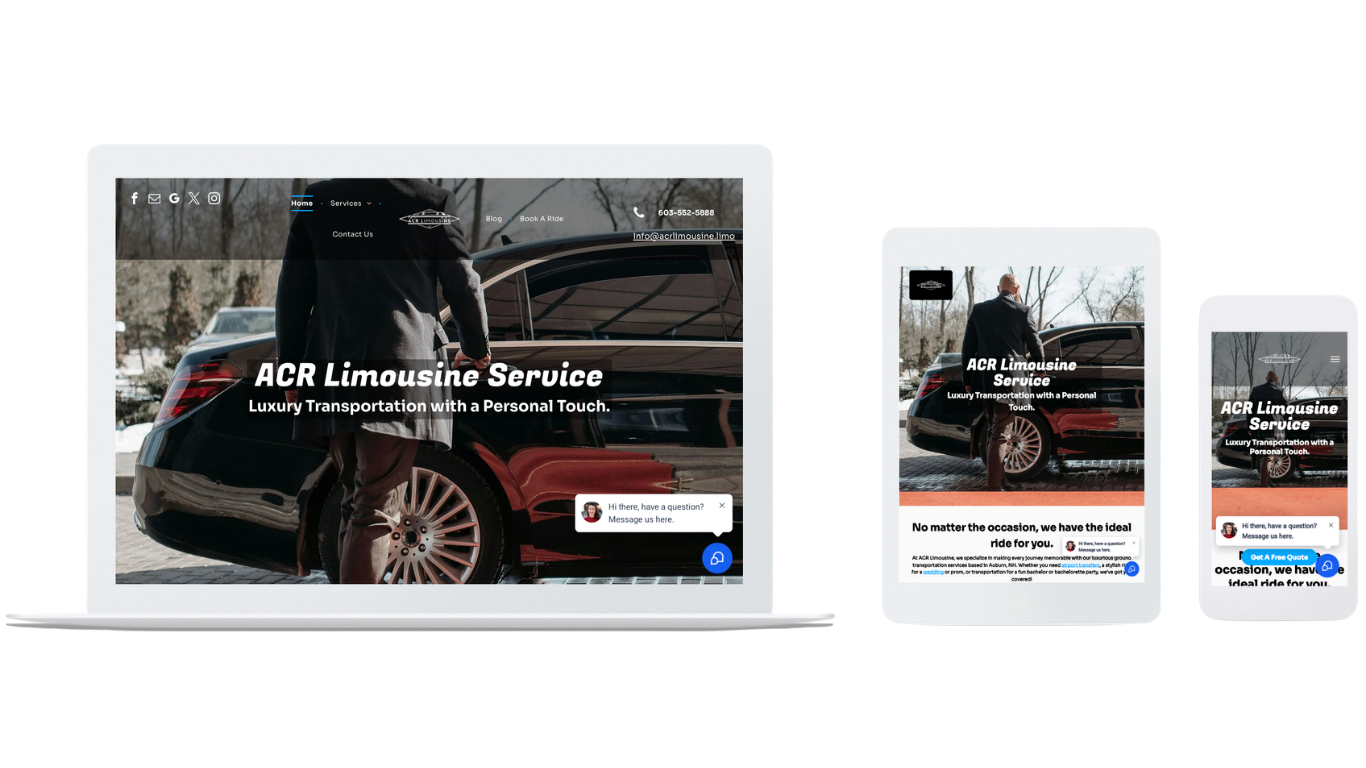
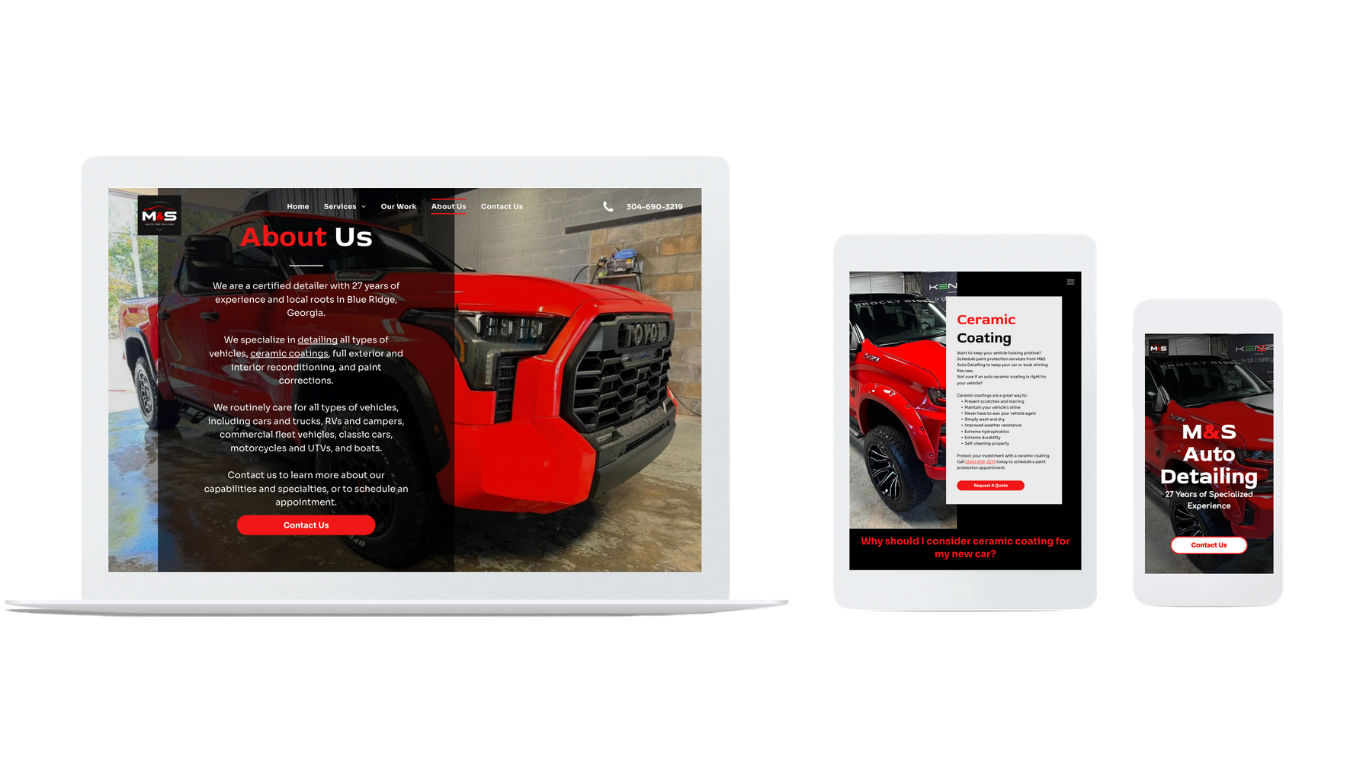
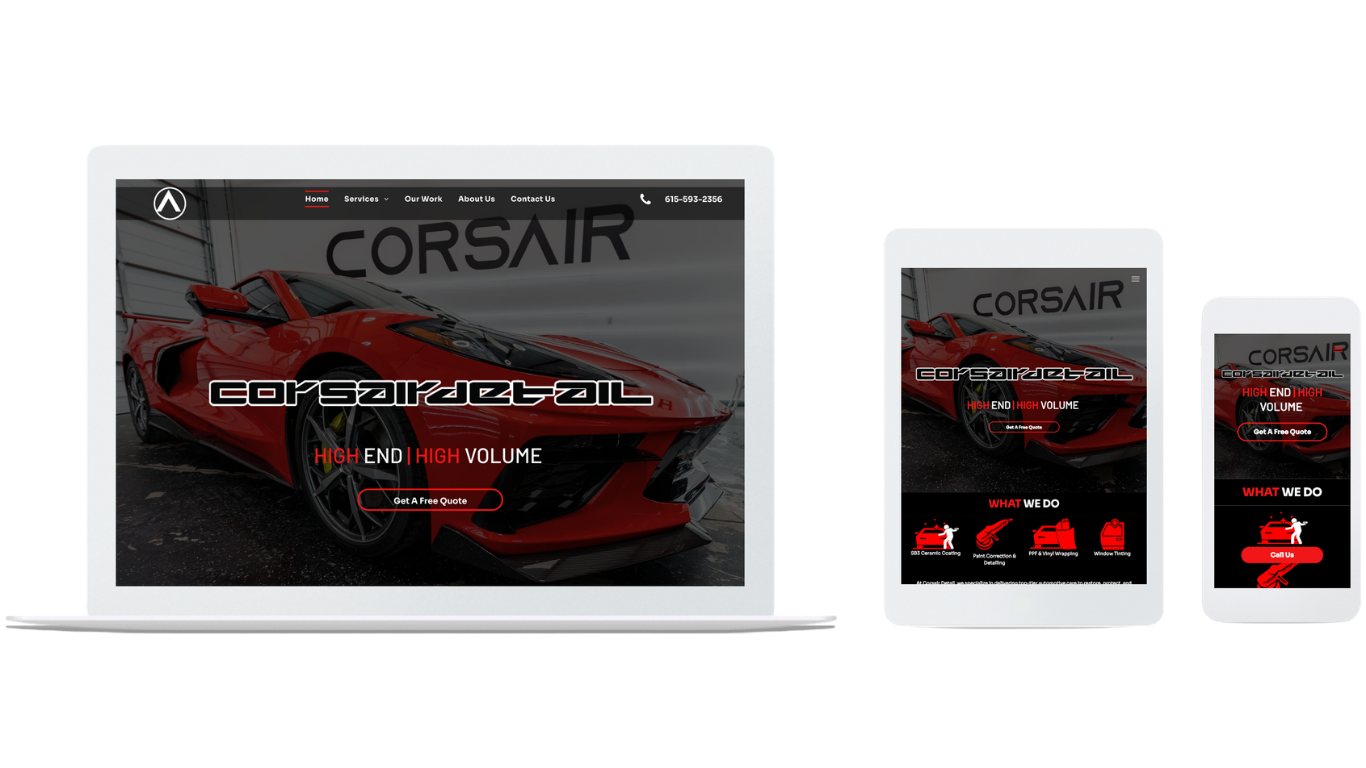
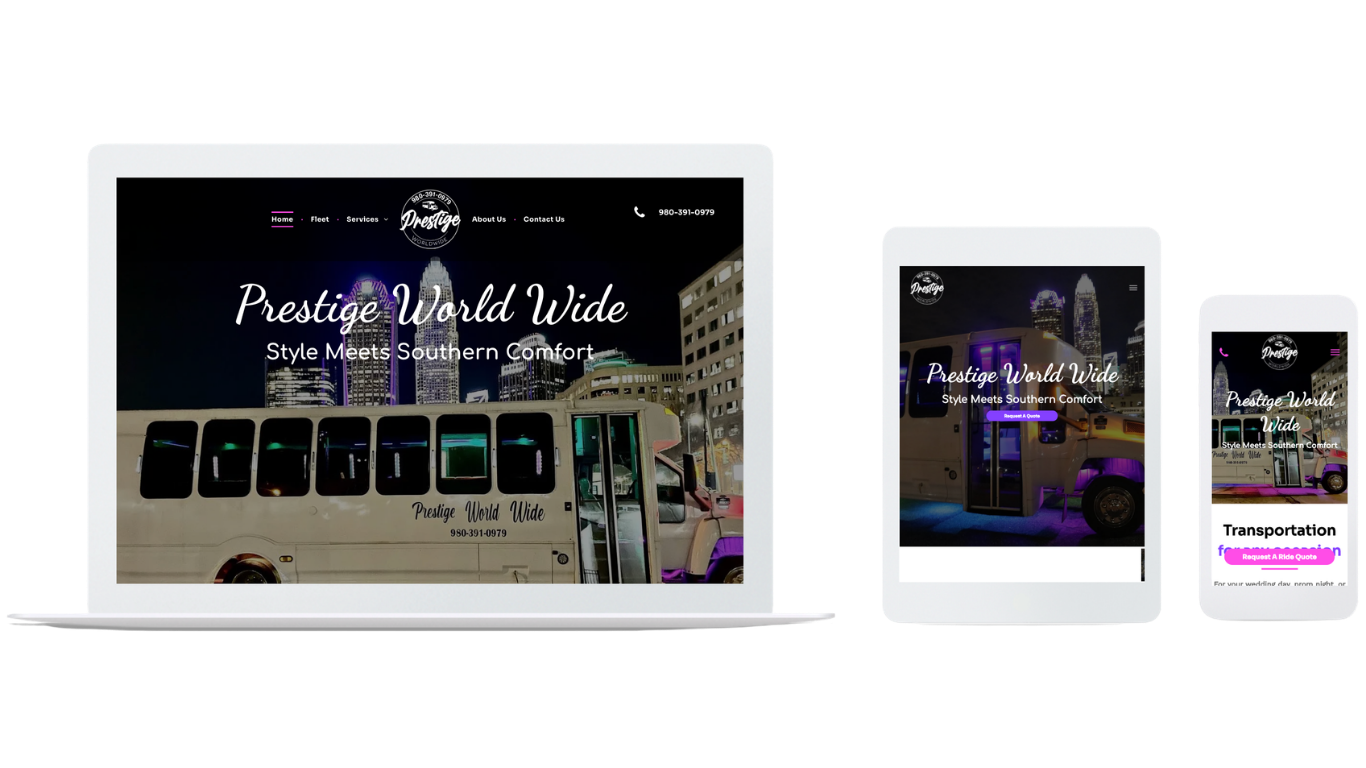
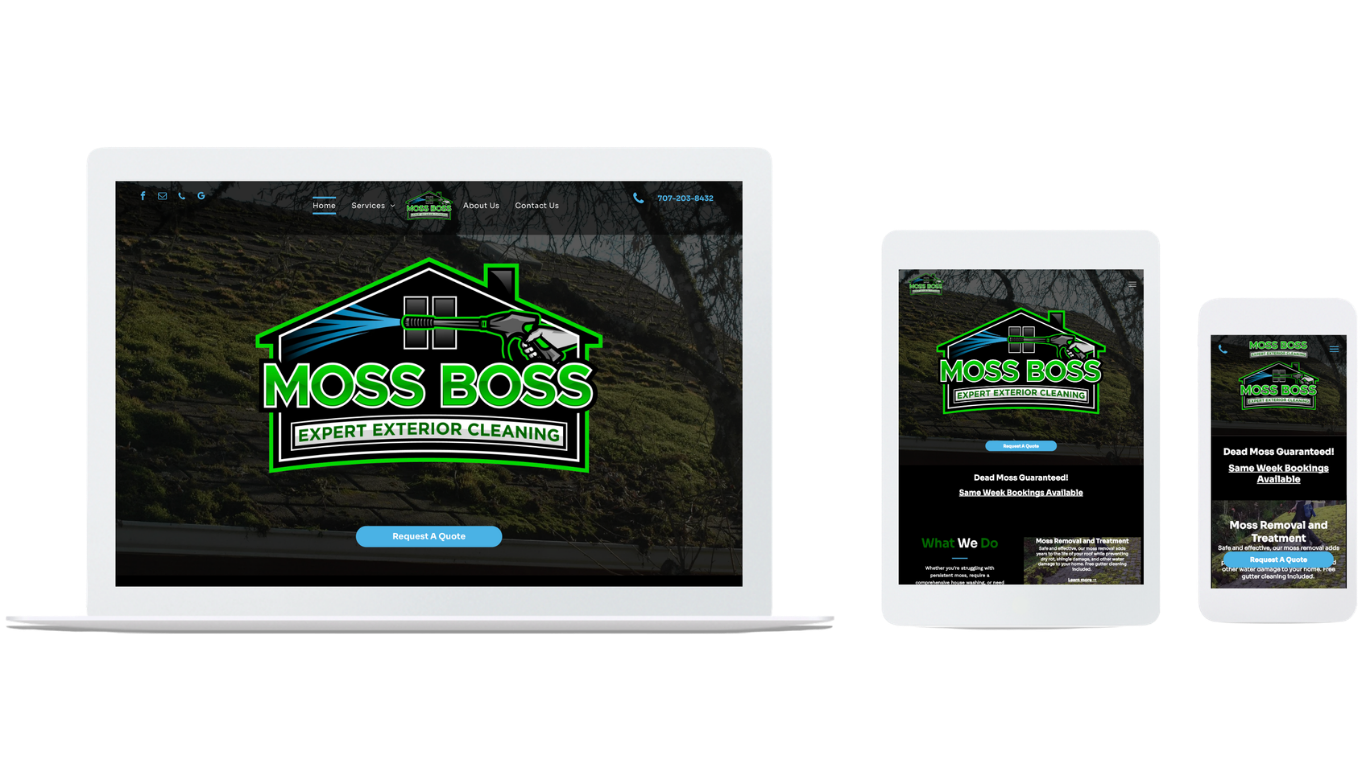
The approach works across every local service business type. A contractor joins the regional home builders association and gets a member listing with a link. A detailer becomes the preferred vendor for a local car club and gets mentioned on their website and social media. A transportation company partners with two or three hotels and gets listed on their recommended vendors page. An exterior cleaning business sponsors a neighborhood improvement initiative and gets referenced in local community communications. Each of these produces a citation and a link that a bulk directory package can't replicate because it reflects a real relationship.
Community advisory boards, charity involvement, and local event sponsorships work the same way. When a food bank mentions donated services in their newsletter, or a school booster club references a sponsored field renovation on their website, those organic mentions accumulate into an authority profile that looks exactly like what it is — a business genuinely integrated into its community. Google has spent years getting better at recognizing the difference between that and manufactured link profiles. The real thing wins.
Focus on partnerships where your expertise adds genuine value rather than just writing a check. Offer to speak at homeowner association meetings. Contribute technical guidance to local government committees. Collaborate with complementary businesses — a detailer partnering with a dealership, a contractor partnering with a real estate agent, a transportation company partnering with an event venue. These relationships generate mentions, backlinks, and referrals that compound over time.
Reviews Are a Strategy, Not a Request
Most businesses ask for reviews wrong. They send a generic "please leave us a review" message after every job and hope for the best. The result is a collection of "great service, highly recommend" reviews that do almost nothing for local search relevance.
The businesses building real authority treat review generation as a strategy. They ask at the right moment — immediately after a job is complete, when satisfaction is highest and the experience is fresh. They give customers a light prompt that produces useful content rather than a generic star rating. "Could you mention the specific service we completed and what the result was for you?" produces a review that says "they restored the paint on my 2019 BMW and removed scratches I thought were permanent" instead of "great work, fast service."
That specificity matters for two reasons. It tells Google exactly what services the business provides through language real customers use — which strengthens relevance signals for those specific service searches. And it tells prospective customers something concrete about what to expect, which improves conversion from profile views to phone calls.
Diversify across platforms relevant to your specific business type. A contractor benefits from Houzz, Angie's List, and Thumbtack presence in addition to Google. A transportation company benefits from TripAdvisor and wedding planning directories. A detailer benefits from car enthusiast community platforms. The platforms where your actual customers research providers matter more than the platforms with the highest domain authority scores.
Respond to every review — positive and negative. Your responses are indexed content that reinforces your service area, your services, and your brand voice. A response that thanks a customer by name, references the specific service completed, and mentions the neighborhood or city naturally adds local relevance signals while demonstrating the kind of customer engagement that builds prominence.
Local Content Demonstrates Expertise Nobody Else Has
An exterior cleaner in the Pacific Northwest has knowledge about moss removal, wet climate surface care, and regional mold patterns that a cleaner in Arizona doesn't have. A contractor in the Gulf Coast knows hurricane-resistant construction requirements that a contractor in the Midwest doesn't. A transportation company in a major metro knows airport logistics, venue relationships, and route considerations that an out-of-market competitor can't replicate.
That local knowledge is an authority asset. Content built around it ranks well because it's genuinely differentiated — a competitor three states away can't copy it accurately. And it serves the searcher better than generic content, which is exactly what Google's algorithm is designed to reward.
Document completed projects with before and after photos and descriptions specific to your region — local climate challenges, regional building codes, materials common to local home styles, seasonal considerations. Create content around the questions your customers ask before hiring you. Answer them specifically enough that a reader in your service area recognizes you understand their situation.
Partner with local suppliers and complementary businesses to create content that benefits both audiences. A detailer and a local dealership co-creating a car care guide each get a natural link from the other's audience. A contractor and a local lumber yard creating a seasonal maintenance checklist reach overlapping audiences that neither would reach alone. These collaborations produce legitimate backlinks, expand local networks, and generate content neither business would have created independently.
Credentials and Professional Standing Are Authority Signals
Google evaluates local business authority through signals that extend beyond reviews and links. Professional licenses, insurance verification, trade association memberships, manufacturer certifications, and awards all contribute to the authority profile Google builds for a business over time.
Make these visible on your website — not buried in a footer, but present on service pages and the about page where they're relevant to a customer's decision. License numbers that link to state verification pages create authoritative government website references. BBB accreditation, industry association memberships, and manufacturer certifications each create additional citation opportunities and trust signals that reinforce both authority and conversion.
Participate in local trade events, home and garden shows, and community festivals where your target customers are present. These activities generate social mentions, occasional press coverage, and website references from event organizers — the kind of cumulative signals that build an authority profile that looks earned because it is.
Authority Builds Slowly and Compounds Fast
The reason most businesses don't pursue community-based authority building is that it takes months to show measurable search impact. The reason the businesses that do pursue it tend to dominate their markets is that once built, it's very hard for competitors to replicate quickly.
A contractor with three years of genuine community involvement, consistent review accumulation, trade association presence, and locally-specific content has an authority profile that a competitor who just launched can't match with a six-month campaign. That compound advantage is what produces durable rankings rather than positions that fluctuate with every algorithm update.
Josh builds authority strategies into every Forget Me Never Media client engagement because he's seen what happens when local SEO is treated as purely technical work. Rankings improve and then stall because technical fixes don't produce community signals. Authority building is what takes a business from ranking to dominating — and it's available to every local service business willing to invest the time consistently.
No long-term contracts. No vanity metrics. Just the kind of real authority that search engines recognize because it reflects a business genuinely worth recommending.
Table of Contents
IS YOUR BUSINESS READY FOR 2026?
Get a free digital marketing audit and see exactly where your biggest opportunities are hiding.