
Why Your Google Ads Are Getting Clicks but No Customers
Forget Me Never Media's clients see an average of 185% revenue growth — and a meaningful part of getting there involves fixing a problem most business owners don't immediately recognize as fixable: Google Ads campaigns generating clicks without generating customers. The clicks are real. The budget is real. The customers just aren't showing up.
This is one of the most common Google Ads problems Josh encounters in 12 years of managing paid search campaigns for local service businesses. It almost always comes down to the same three root causes: targeting people who were never going to buy, sending them to pages that weren't built to convert, and measuring metrics that have nothing to do with whether the campaign is actually working.
Your Targeting Is Attracting the Wrong People
Broad keyword targeting is the fastest way to generate impressive click numbers and empty lead forms simultaneously. When your ads appear for searches that sound related to your services but attract people who have no intention of hiring anyone, you pay for every click while converting almost none of them.
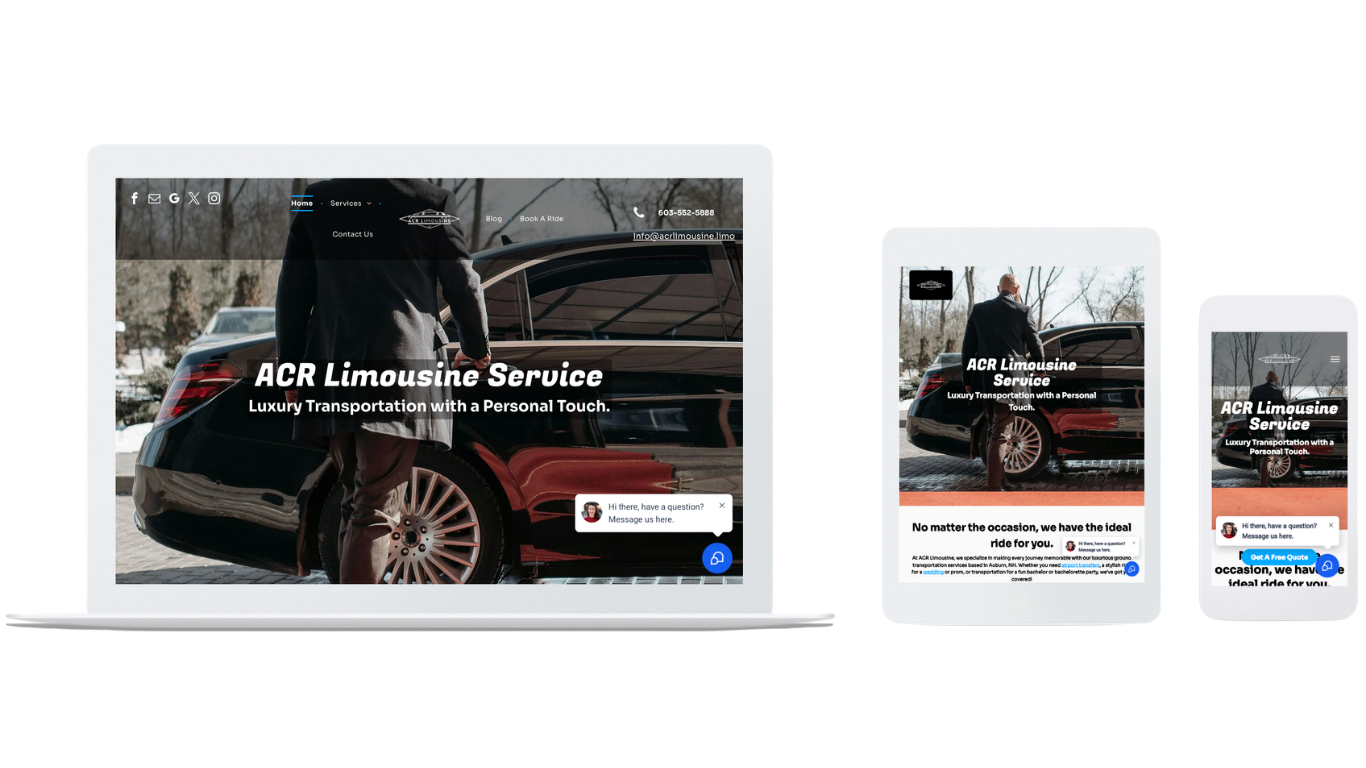
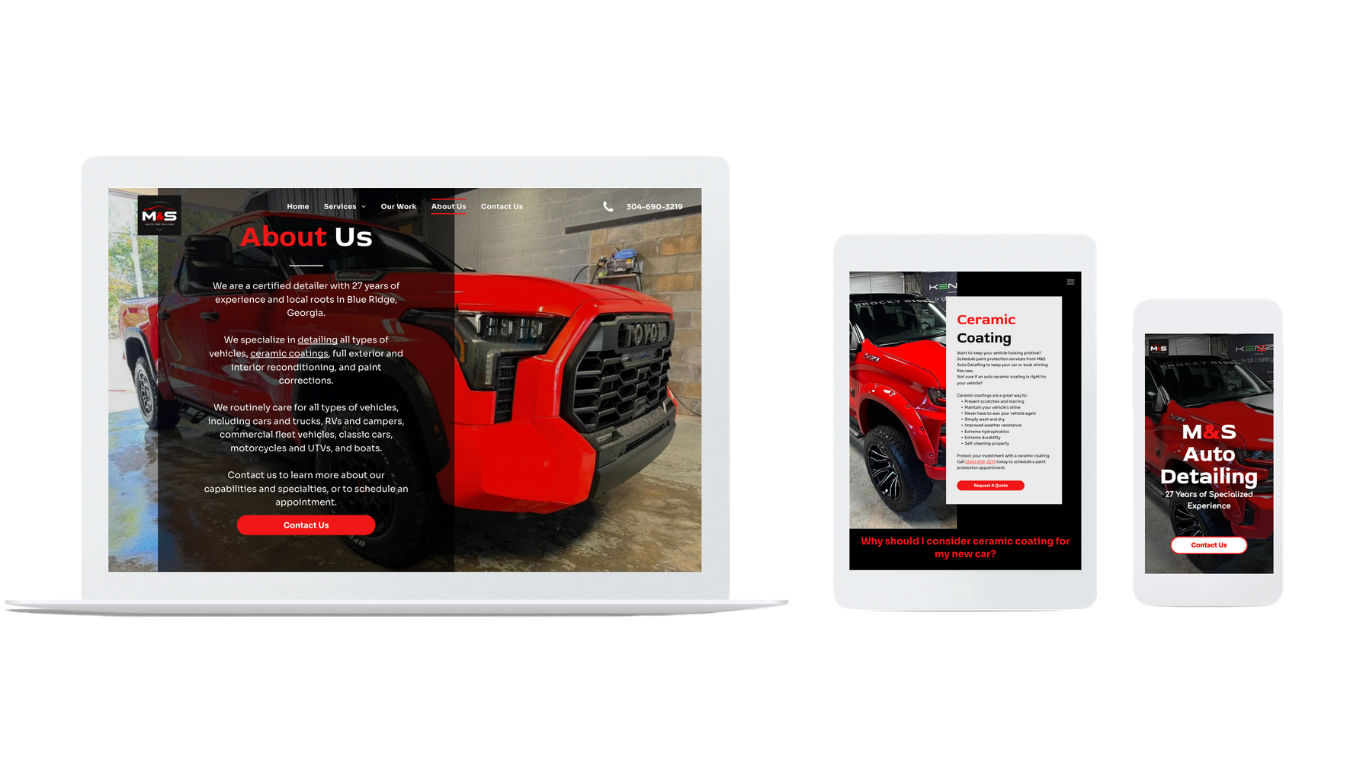
A contractor targeting "home improvement" reaches weekend DIYers researching projects, not homeowners ready to hire. A transportation company without negative keywords for "public bus" and "transit routes" pays for clicks from people looking for city transit information. An auto detailer without exclusions for "DIY car wash" and "how to apply ceramic coating" spends budget educating people who want to do the work themselves.
The fix is building negative keyword lists from real search term data — the actual queries that triggered your ads — and eliminating the searches that generate clicks without conversions. This work is ongoing. Search term reports reveal new irrelevant patterns every week, and a negative keyword list built once and never updated stops protecting your budget within months.
Geographic targeting requires the same precision. Ads showing outside your actual service radius generate clicks from people you can't serve. For a business where travel time affects profitability, even showing in areas you technically serve but rarely work in can generate leads that don't convert into booked jobs — because the economics don't work once you factor in drive time.
Smart targeting means fewer total clicks at a meaningfully higher conversion rate. That trade is almost always worth making.
Your Landing Pages Are Losing Customers You Already Paid For
This is where most of the clicks-without-customers problem lives. A searcher who typed "emergency roof repair" into Google is ready to hire someone. They click your ad. Then they land on your homepage — which talks about your company history, lists all eight services you offer, and buries the phone number below a hero image of a generic house.
They leave. You paid for that click.
Across our client campaigns, we consistently see homepage conversion rates for high-intent paid traffic around 3%. The same traffic sent to dedicated landing pages built specifically to convert that search query performs above 15% — and in our best-performing tests, above 35%. That gap is not a design preference. It's the difference between a campaign that loses money and one that generates profitable customers.
A converting landing page for "emergency roof repair" has one job: confirm to the searcher that they've found a business that handles emergency roof repairs, is available, serves their area, and is worth calling. The phone number is prominent and clickable. The headline mirrors what they searched for. The only conversion action on the page is contacting you. There's no navigation menu pulling them toward other services, no about page link, no distraction from the single action the page is designed to produce.
Most agencies send all ad traffic to a homepage because building dedicated landing pages requires work. The business owner pays for that shortcut with every click that doesn't convert.
You're Measuring the Wrong Things
Click-through rate, impression share, and quality score are real metrics that describe real aspects of campaign performance. None of them tell you whether the campaign is generating customers.
A campaign can have a strong click-through rate and terrible conversion rate if the ads are compelling but the landing pages aren't. It can have high impression share and zero profitable customers if it's showing up for searches that never convert. Quality score can be excellent while cost per acquisition is unprofitable. These metrics aren't useless — but they're not what determines whether a Google Ads campaign is worth running.
The metrics that matter for a local service business are cost per qualified lead, close rate on leads generated by paid search, and cost per acquired customer relative to customer lifetime value. When those numbers are tracked and visible, campaign decisions become straightforward — increase budget where acquisition cost is profitable, cut spend where it isn't, test ad copy and landing pages based on what improves customer acquisition rather than what improves click-through rate.
Without conversion tracking that connects ad clicks to phone calls, form submissions, and booked jobs, you're optimizing a campaign by looking at the wrong dashboard. You can improve every metric on that dashboard and still lose money because the metrics being improved aren't the ones connected to revenue.
Automation Doesn't Replace Campaign Judgment
Google's automated bidding and Smart Campaigns work well for e-commerce businesses with thousands of daily conversions and consistent product economics. Local service businesses have neither — and the automation trained on generic patterns makes decisions that someone who understands your specific business wouldn't make.
Automated campaigns ignore the difference between a $400 detailing appointment and a $4,000 paint protection film installation. They don't adjust for seasonal demand patterns specific to your services. They optimize toward the conversion actions you've defined — and if those conversion actions are form submissions rather than booked jobs, the automation gets better at generating form submissions regardless of whether those submissions turn into revenue.
Josh manages every Forget Me Never Media client account personally because the judgment calls that determine whether a local service Google Ads campaign works — which searches to bid on, which to exclude, how to structure landing pages around specific search intent, how to allocate budget across urgency levels and service types — require understanding each client's business specifically. That understanding can't be automated or delegated to someone running 50 accounts simultaneously without knowing the difference between the clients.
What Fixing This Actually Looks Like
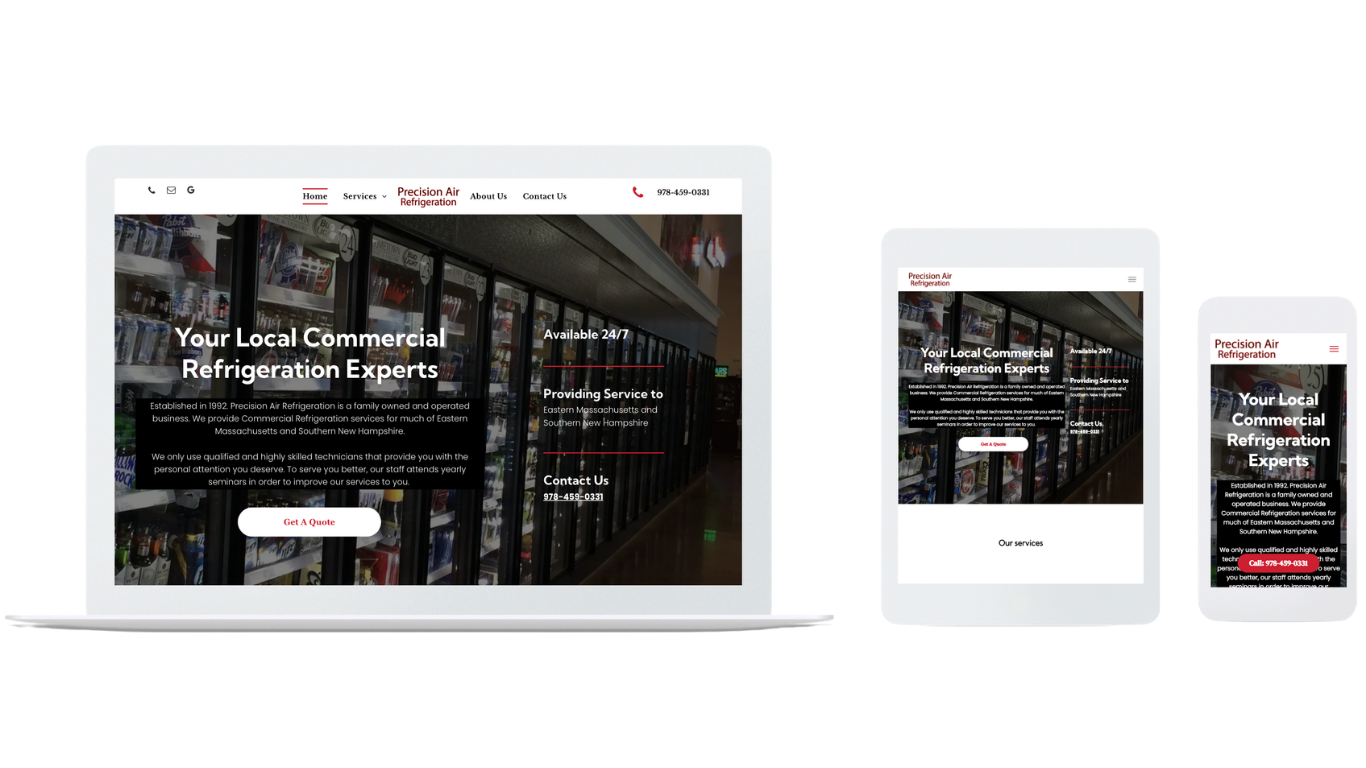
Precision Air Refrigeration was generating clicks from a mix of commercial and residential searches. The residential clicks looked like leads — they were inquiries — but they were the wrong leads for a company that specializes in commercial refrigeration for restaurants, hotels, and grocery stores. After restructuring the campaign around commercial intent, adding extensive negative keywords to eliminate residential traffic, and rebuilding landing pages specifically for commercial buyers, their conversion rate went from 3.5% to 13.85% and they generated 317 qualified commercial leads in 12 months.
Corsair Detail was paying too much per lead because their campaigns were generating clicks they were converting poorly. After rebuilding campaign structure and landing pages around their specific service categories — ceramic coating, paint protection film, and detailing with separate pages for each — they generated 805 total leads with a 47% increase in lead generation year over year while reducing their dependency on paid advertising overall.
The pattern is consistent: clicks without customers is almost never a traffic problem. It's a targeting problem, a landing page problem, or a measurement problem — usually all three at once. Fix those three things and the same budget that was generating impressive click numbers starts generating the customers the campaign was supposed to produce.
No long-term contracts. No vanity metrics dressed up as results. Just campaigns built around what actually converts clicks into customers for your specific business.
Table of Contents
IS YOUR BUSINESS READY FOR 2026?
Get a free digital marketing audit and see exactly where your biggest opportunities are hiding.